

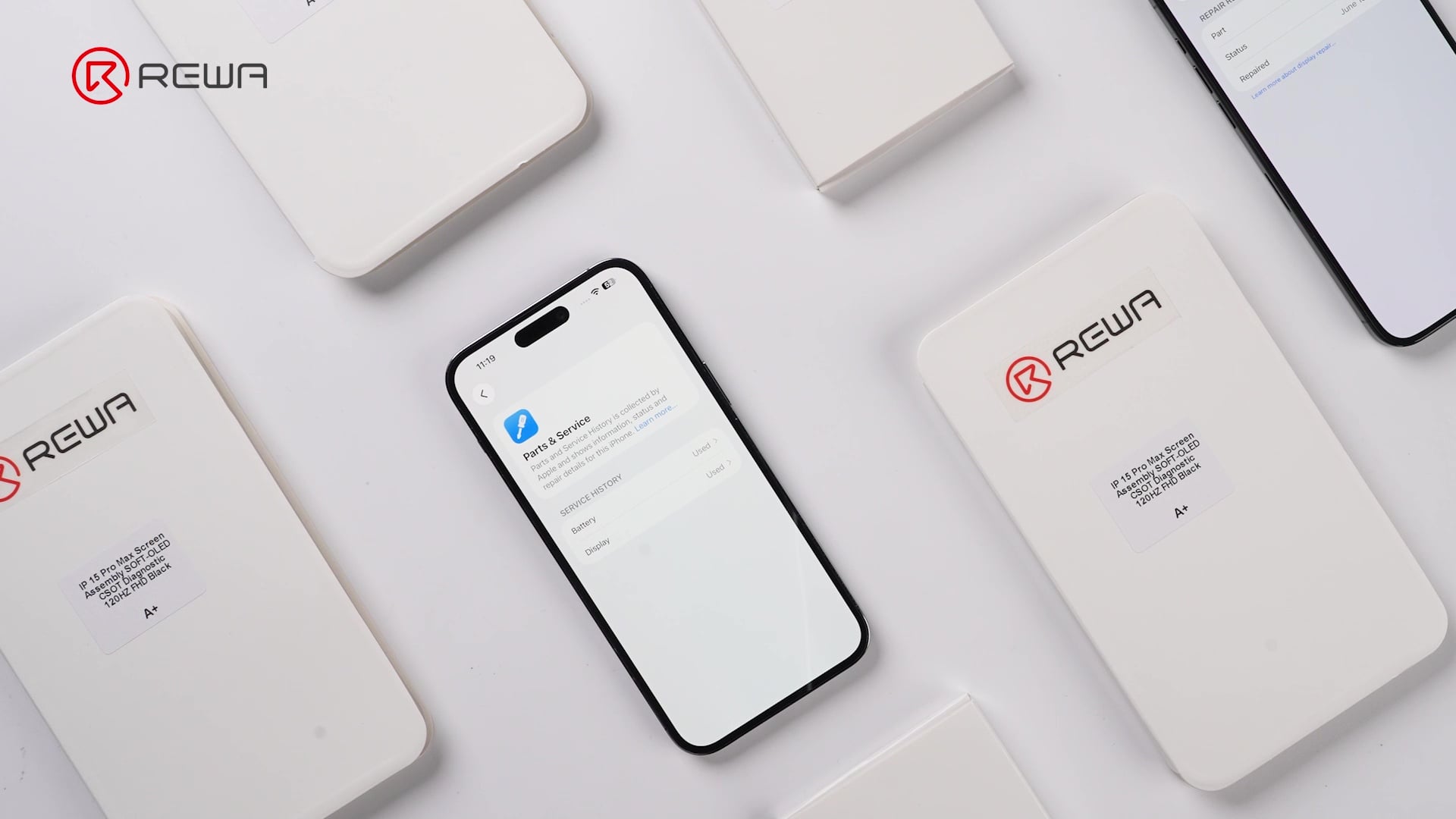
Avec la sortie de l'iPhone 17 Pro et d'iOS 26, Apple a continué d'affiner l'écosystème de réparation qu'il avait introduit avec l'iPhone 16. Les systèmes Parts & Service et Repair Assistant mis à jour offrent désormais une autorisation plus robuste des composants, un suivi plus clair de l'historique des réparations et une compatibilité élargie entre les modèles. Dans cette analyse complète, REWA Lab effectue une série de tests d'échange de pièces entre un iPhone et un iPhone. iPhone 17 Pro et un iPhone 16 Pro pour évaluer les implications de ces changements dans le monde réel.
Les résultats révèlent une avancée significative dans la flexibilité des réparations. Les principales conclusions comprennent la restauration complète de la fonctionnalité Face ID, l'appariement réussi de l'appareil photo d'un modèle à l'autre et une reconnaissance plus fiable des enceintes. Ce rapport fournit une analyse détaillée de chaque test et de ses résultats.
Analyse de l'échange de composants
Le tableau suivant résume les résultats de l'échange de divers composants entre l'iPhone 17 Pro et l'iPhone 16 Pro.
| Composant | Résultats | Notes |
|---|---|---|
| Verre arrière | Jumelage réussi | Marqué comme l'enceinte. |
| Caméra arrière | Jumelage réussi | Besoin d'étalonnage |
| Assemblage Face ID | Fonctionnalité complète rétablie | Identique à 16 Pro |
| Batterie | Jumelage réussi | Afficher l'état de la batterie |
| Affichage | Jumelage réussi | Besoin d'un capteur avant d'origine |
| Carte mère | Fonctionnalité complète | Pas de grands changements |
Principales conclusions et implications
Intégrité de la vitre arrière et du boîtier
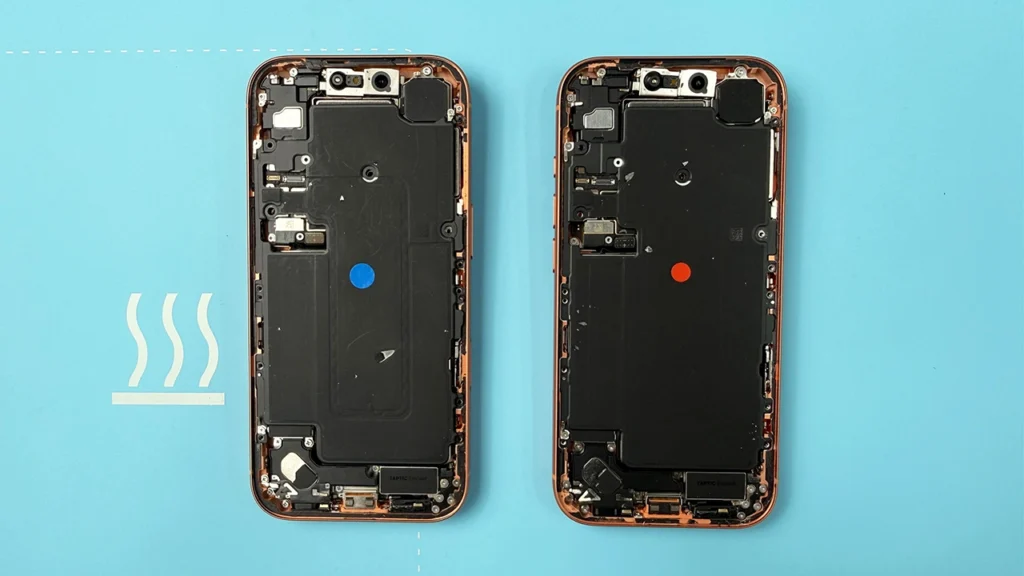
Le remplacement de la vitre arrière de l'iPhone 17 Pro par celle d'un iPhone 16 Pro a immédiatement déclenché une alerte “Nouvelle pièce détectée”. Après avoir traité la modification via Repair Assistant, l'alerte a disparu et l'appareil a réussi à appairer la nouvelle vitre arrière. Cela indique que le processus a été simplifié par rapport aux modèles précédents.
Compatibilité inter-modèles de la caméra arrière
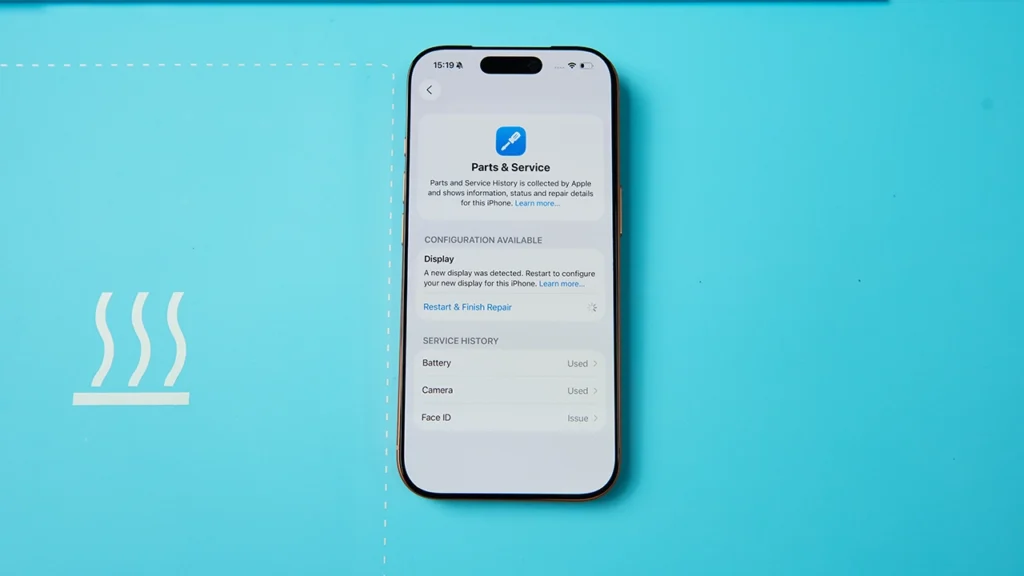
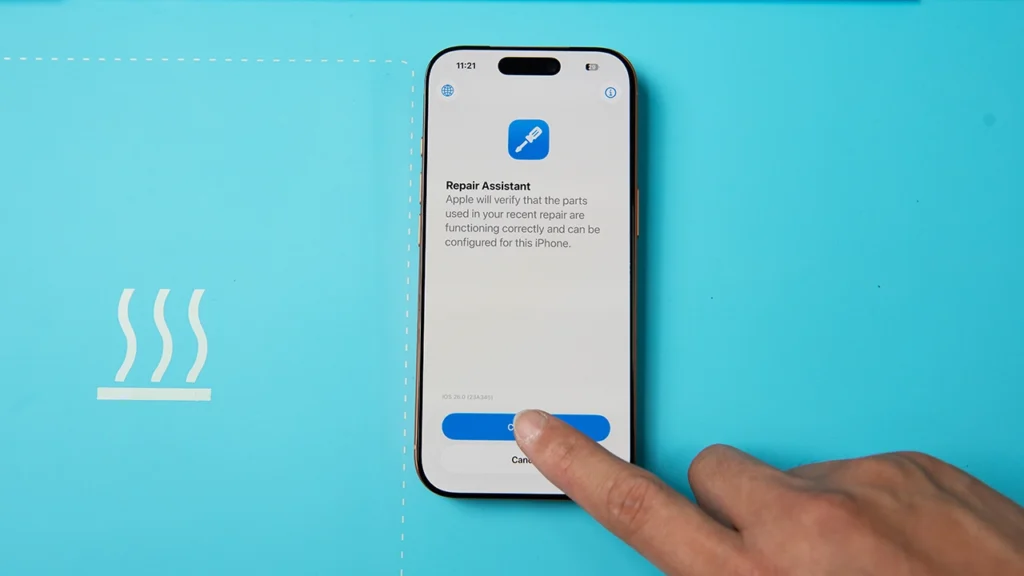
Le remplacement de la caméra arrière a également déclenché une alerte Parts & Service et a nécessité un étalonnage. Il est à noter que l'iPhone 17 Pro pouvait encore capturer des photos et des vidéos avant l'étalonnage, bien que les fonctions avancées d'intelligence artificielle telles que Smart HDR et True Tone aient été limitées. Après l'étalonnage, l'appareil photo a été étiqueté comme “pièce usagée”, ce qui souligne l'engagement d'Apple en faveur de la transparence dans les dossiers de réparation.
Restauration de l'assemblage Face ID
L'un des points forts des tests a été le rétablissement complet de la fonctionnalité Face ID après l'échange des assemblages entre l'iPhone 17 Pro et l'iPhone 16 Pro. Après l'exécution de Repair Assistant, Face ID a été rétabli sans aucune restriction, confirmant la compatibilité entre les modèles introduite avec l'iPhone 16. Bien que le composant ait été enregistré comme étant “usagé”, il s'agit d'une étape importante pour rendre les composants de sécurité critiques plus faciles à réparer.
Santé et vérification de la batterie
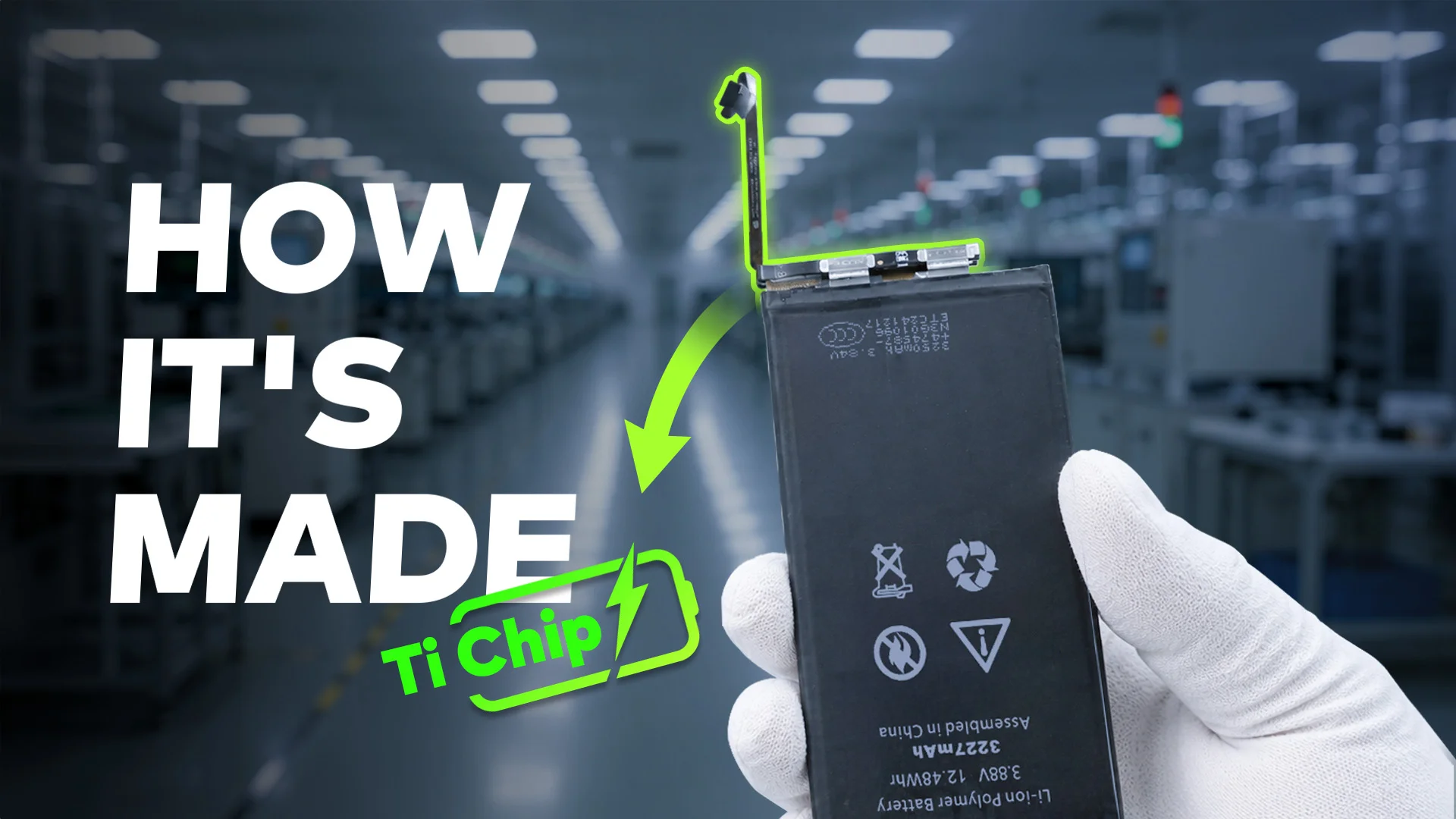
Lorsque la batterie de l'iPhone 17 Pro a été remplacée par celle d'un iPhone 16 Pro, le système a d'abord signalé qu'il s'agissait d'un “problème de batterie".“Partie inconnue,”et les données sur l'état de la batterie sont devenues indisponibles. Cependant, après configuration via l'Assistant de réparation, l'avertissement a été supprimé et les données de santé ont été rétablies. Ce comportement s'inscrit dans le cadre des efforts déployés par Apple pour empêcher l'utilisation de batteries usurpées et la manipulation des données de santé.
Restauration de l'affichage et de la tonalité
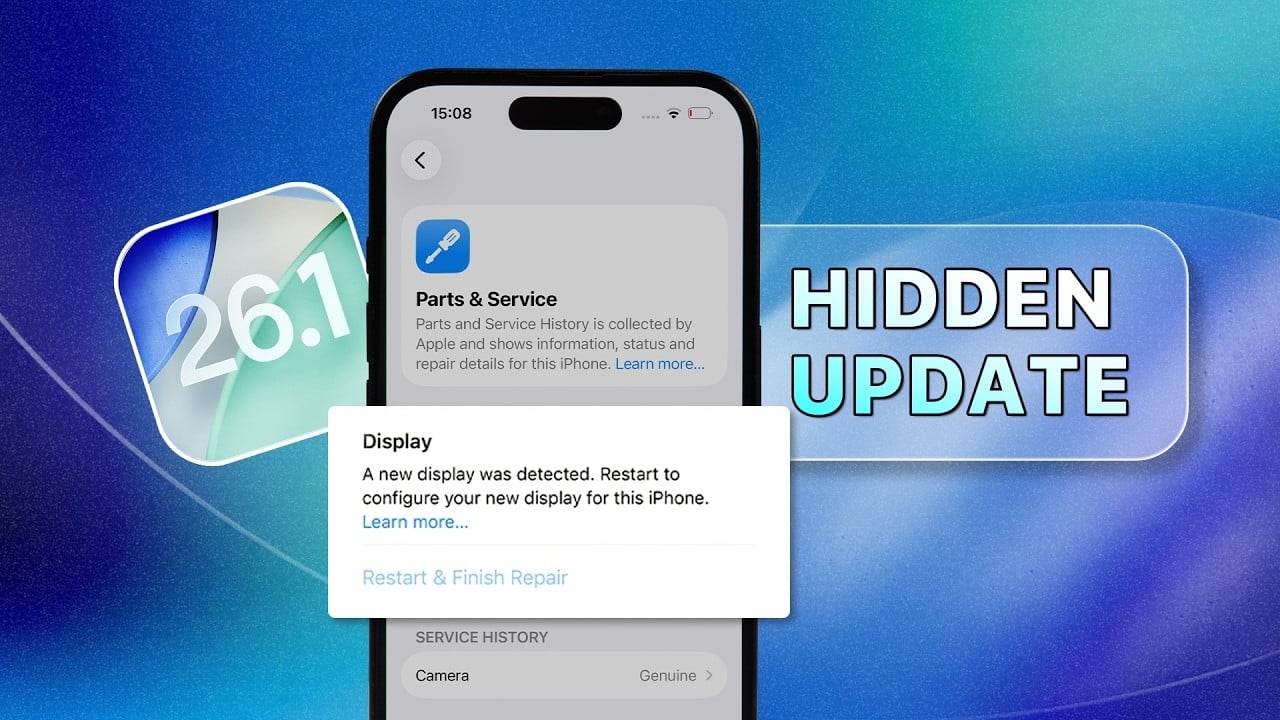
Comme pour les modèles précédents, l'échange des écrans a d'abord entraîné la disparition de la tonalité True Tone. Cependant, après avoir apparié le nouvel écran via l'Assistant de réparation, le True Tone a été entièrement rétabli. Cela confirme que l'appairage en série des écrans d'Apple prend désormais en charge la compatibilité intergénérationnelle lorsque le matériel le permet.


Permutation des cartes mères et liaison des boîtiers
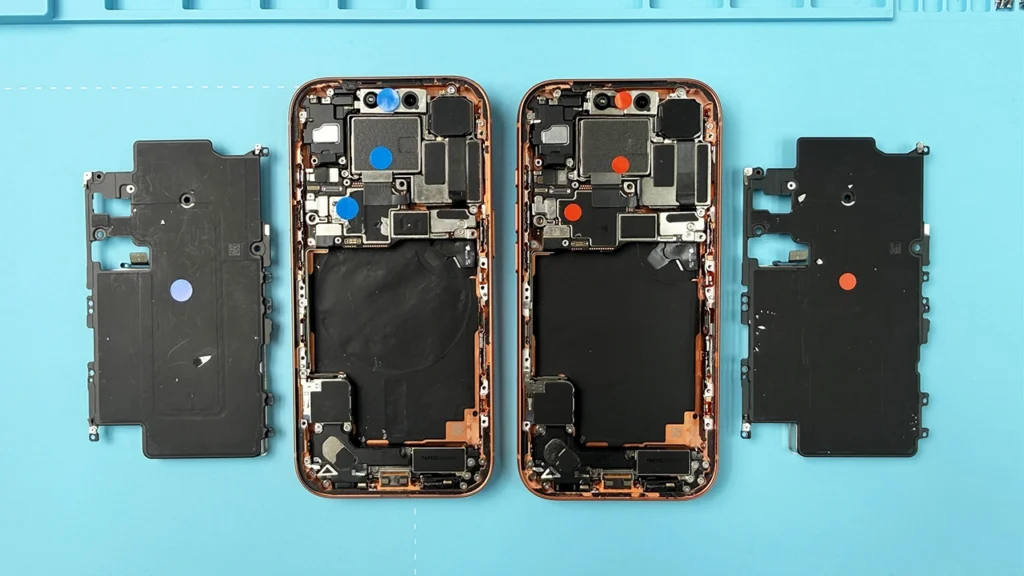
Pour repousser les limites du nouveau système, les cartes logiques ont également été échangées. Tous les composants de base - caméras, écran, batterie et Face ID - ont fonctionné normalement. Cependant, le système a signalé que le boîtier était neuf et l'assistant de réparation a demandé une configuration, notamment un recalibrage de la caméra arrière. Ces résultats suggèrent que le boîtier est désormais numériquement lié à la carte logique dans le cadre des contrôles d'intégrité d'Apple.
Historique persistant des réparations
Même après que toutes les pièces d'origine ont été restaurées sur leurs appareils respectifs, l'historique des réparations est resté affiché en permanence sur les deux appareils. Toutes les pièces d'origine ont été vérifiées comme étant authentiques, mais les enregistrements des échanges sont restés visibles. Cela indique que l'historique des réparations est désormais lié au boîtier lui-même, et non plus seulement à la carte mère, créant ainsi une piste d'audit transparente et à long terme pour chaque appareil.
Conclusion : Un avenir de réparation plus souple et plus transparent
L'iPhone 17 Pro s'inscrit dans la continuité de l'évolution d'Apple vers une meilleure réparabilité et une plus grande compatibilité des pièces. Les principaux enseignements de nos tests sont les suivants :
- Face ID peut être restauré avec succès après un échange de modèles.
- Appareils photo, écrans et piles plus facilement que dans les générations précédentes.
- Assistant de réparation joue un rôle central dans l'étalonnage et la vérification des nouvelles pièces.
- Historique transparent des composants est désormais lié de manière permanente au boîtier de l'appareil.
Le REWA Lab continuera d'étudier le comportement des composants tiers et des pièces de rechange sous iOS 26, car ces informations sont essentielles pour les ateliers de réparation indépendants, les rénovateurs et les techniciens du monde entier.

 English
  Español
  Français
  Deutsch
  Italiano