

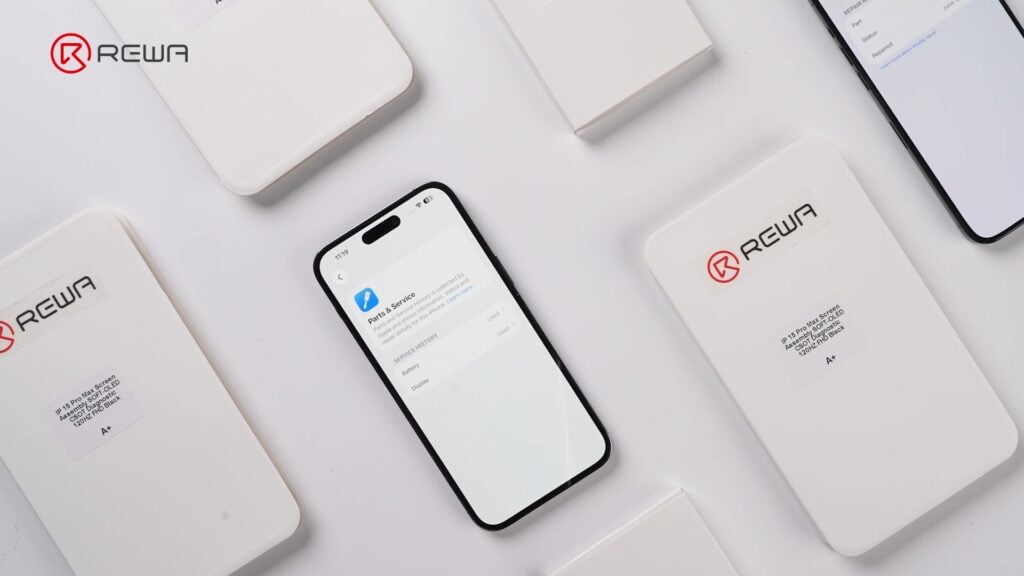
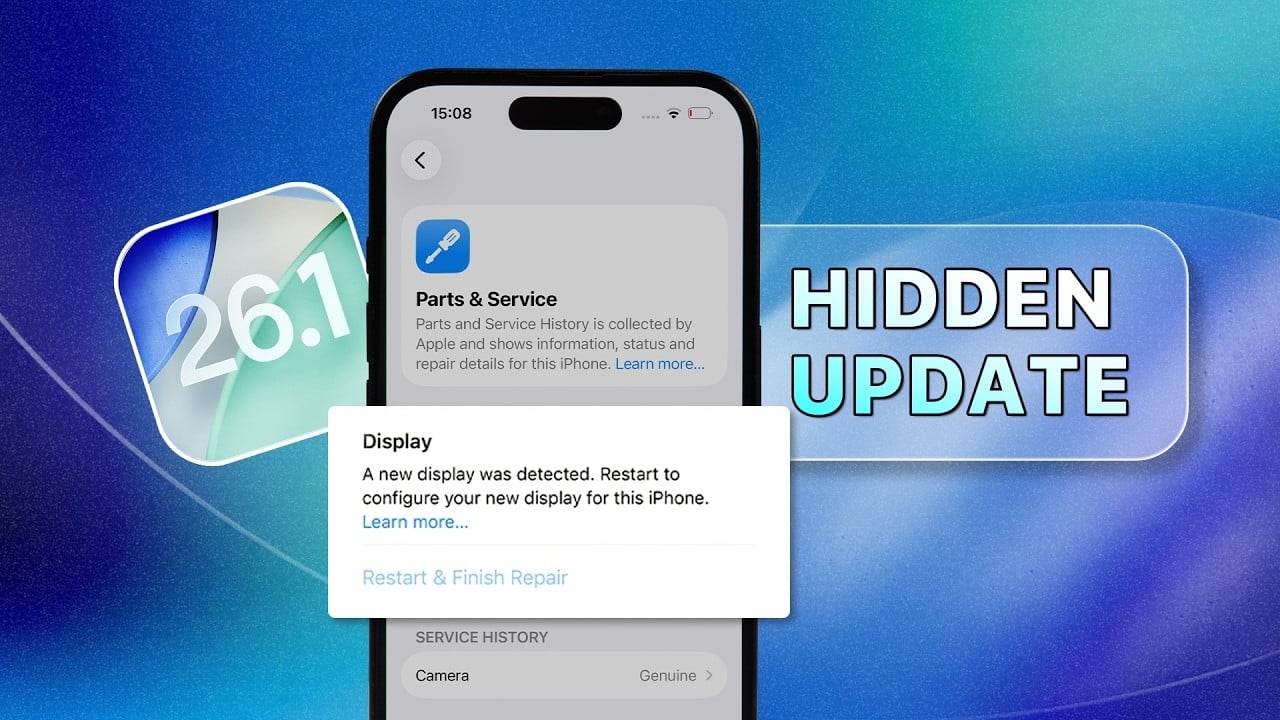
Apples Reparaturassistent hat die iPhone-Reparaturen revolutioniert. Heutzutage reicht es nicht mehr aus, einfach ein Display oder einen Akku von Drittanbietern zu installieren. Um dies zu vermeiden iPhone-Meldung "Unbekannter Teil", Die Ersatzkomponente muss außerdem mit dem Reparaturassistenten von Apple kompatibel sein und den Diagnoseprozess nach der Reparatur erfolgreich bestehen. Die Verwendung von diagnosekompatiblen Teilen trägt zu einer reibungslosen Reparaturerfahrung bei und verhindert Warnmeldungen, die das Vertrauen des Benutzers beeinträchtigen können.
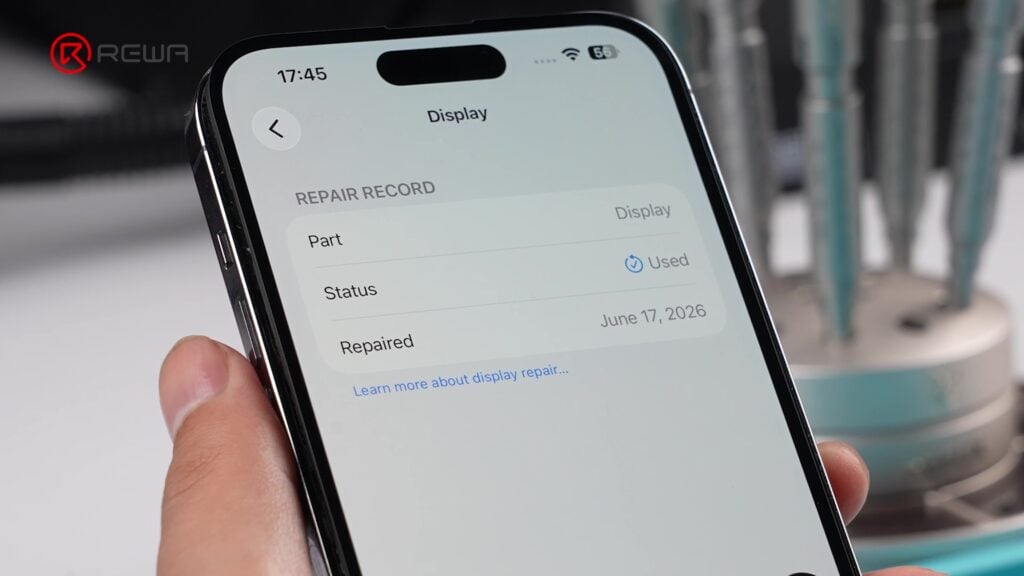
Infolgedessen sind diagnostikkompatible Bildschirme und Akkus in der mobilen Reparaturbranche im Jahr 2025 schnell in die Höhe geschossen. Sie versprechen einen wesentlich einfacheren Installationsprozess und vermeiden die Meldung "Unbekanntes Teil" von Apple, die herkömmliche Teile von Drittanbietern oft auslösen.
In diesem Leitfaden wird REWA die Technologie hinter diagnosefähigen Teilen in einfacher Sprache aufschlüsseln, ihre Vorteile und Grenzen erörtern und Ihnen helfen zu entscheiden, ob sie die richtige Wahl für Ihr Reparaturunternehmen sind.
Welche Teile sind mit der iPhone-Diagnose kompatibel?
Ein diagnosekompatibles Teil ist eine Ersatzkomponente für den freien Markt, die so konstruiert wurde, dass sie nahtlos mit dem Reparaturassistenten von Apple funktioniert. Nach der Installation kann es den Kopplungs- und Diagnoseprozess erfolgreich abschließen und so die Anzeige der Meldung "Unbekanntes Teil" auf dem iPhone verhindern. Dies ermöglicht Benutzern eine reibungslosere Reparaturerfahrung bei gleichzeitiger Beibehaltung der ordnungsgemäßen Teileerkennung und Systemfunktionalität.
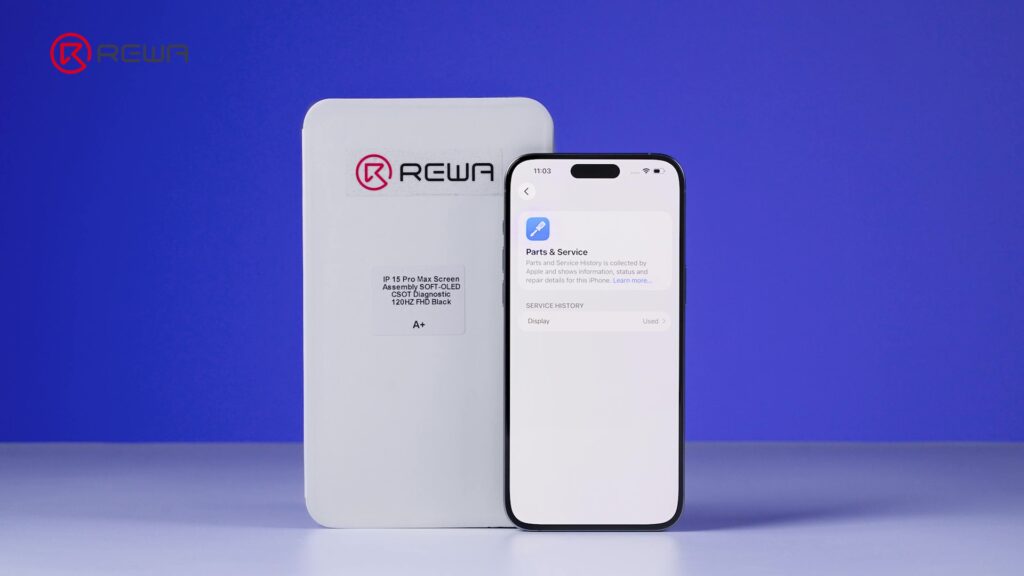
Normalerweise werden Drittanbieter-Displays und -Akkus von iOS nicht als echte, gekoppelte Komponenten erkannt. Infolgedessen können Benutzer Folgendes sehen:
- “Unbekanntes Teil” Benachrichtigungen
- Eingeschränkte Funktionalität nach dem Austausch
- Fehler während des Kalibrierungsprozesses von Apple-Teilen
Diagnosefreundliche Teile sind speziell dafür entwickelt, diese Probleme zu überwinden, wodurch viele Reparaturen ohne riskantes Verpflanzen von IC-Chips durchgeführt werden können.
Einfach ausgedrückt:
Repair Assistant ist Apples Software-Kalibrierungssystem, das für neuere iPhones eingeführt wurde. Nach dem Austausch bestimmter Komponenten können Techniker Repair Assistant ausführen, um die installierten Teile zu überprüfen und zu kalibrieren.
Wie funktioniert ein diagnostikfähiger Bildschirm?
Die Technologie hinter diagnostikt Note-Displays mag auf den ersten Blick kompliziert klingen, aber das Grundkonzept ist überraschend einfach. Lassen Sie es uns Schritt für Schritt aufschlüsseln. Das Geheimnis liegt nicht im OLED-Panel selbst. Stattdessen ist die Schlüsselkomponente die vom Erstausrüster stammende Touch-IC.
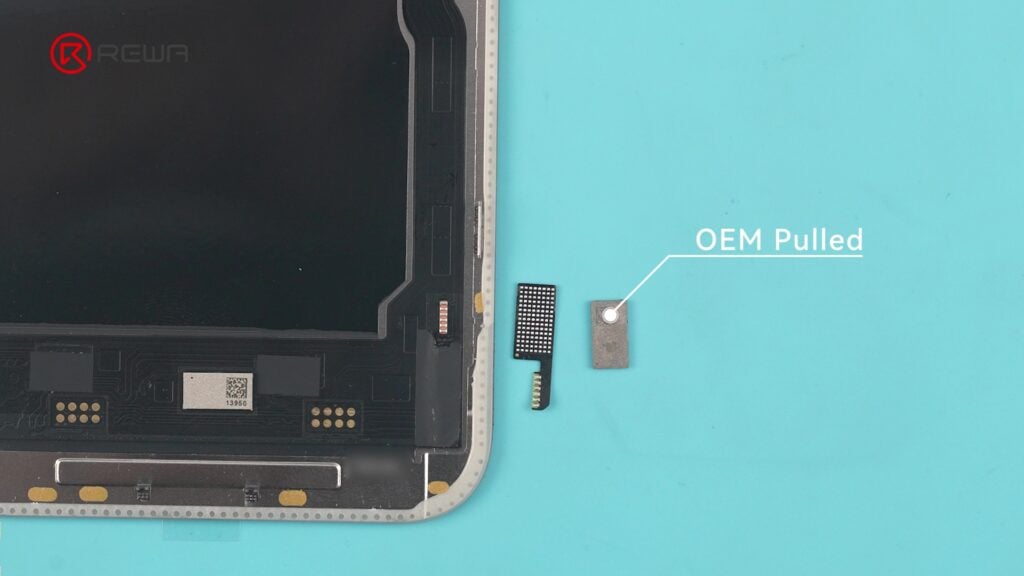
Da Apples verschlüsselte Kalibrierungsinformationen im Touch-IC gespeichert sind, transplantieren Hersteller einen originalen Touch-IC auf ein Aftermarket-OLED-Display. Dies ermöglicht es dem Bildschirm, sich dem System so zu präsentieren, dass der Reparaturassistent erfolgreich abgeschlossen werden kann.
Der gesamte Kalibrierungsprozess ist wie folgt:
- Einen originalen Touch-IC von einem Spenderbildschirm entnehmen.
- Löten Sie die IC-Schaltung auf ein Aftermarket-OLED-Display.
- Installieren Sie den Bildschirm.
- Führen Sie den Reparaturassistenten von Apple aus.
- Teilekalibrierung abschließen.
Warum ist der Sensor-Flex-Flansch wichtig?
Es gibt ein weiteres wichtiges Detail, das viele Techniker übersehen, insbesondere bei neueren iPhones. Nach der Teilekalibrierung wird das vordere Sensor-Flexkabel kritisch.
Für iPhone 14 Serie und früher, ist die Reparatur relativ fehlertolerant. Solange ein kompatibles Frontsensor-Flachkabel installiert ist, kann der Bildschirm den Reparaturassistenten in der Regel passieren.
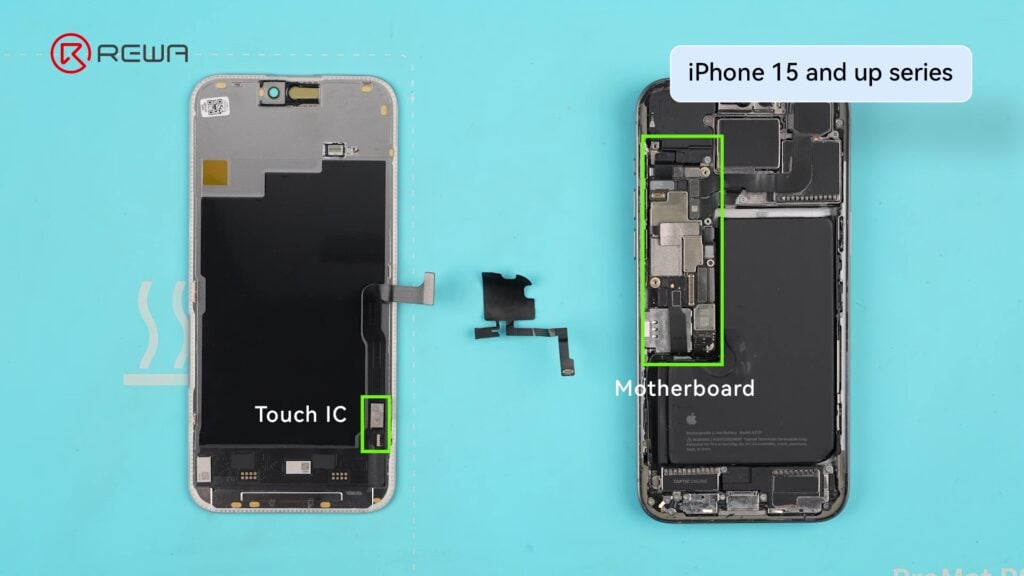
Für iPhone 15 Serie und neuer, werden die Anforderungen viel strenger. Das Frontsensorkabel muss entweder das Originalkabel sein, das mit dem Motherboard gekoppelt ist, oder perfekt auf den Touch-IC des Ersatzbildschirms abgestimmt sein. Andernfalls kann die Kalibrierung fehlschlagen, selbst wenn der Bildschirm selbst diagnosekompatibel ist.
Wie funktioniert eine diagnostikkompatible Batterie?
Dieselbe Designphilosophie gilt auch für Batterien. Anstatt sich auf die Batteriezelle selbst zu verlassen, ist die Schlüsselkomponente die Platine des Batteriemanagementsystems (BMS).
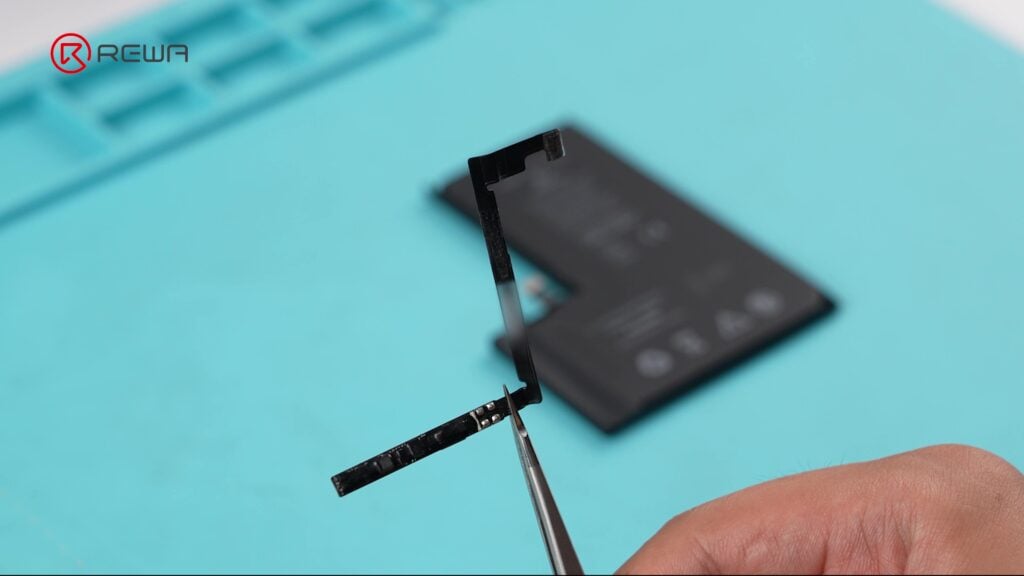
Das BMS-Board steuert Funktionen wie Laden, Batterieschutz, Energiemanagement, Meldung des Batteriezustands und Füllstandsanzeige. Diagnosetaugliche Batteriehersteller ersetzen das herkömmliche Nachrüst-BMS-Board durch:
- ein OEM-Authentifizierungs-IC
- ein Steuerungs-IC für das Batteriemanagement
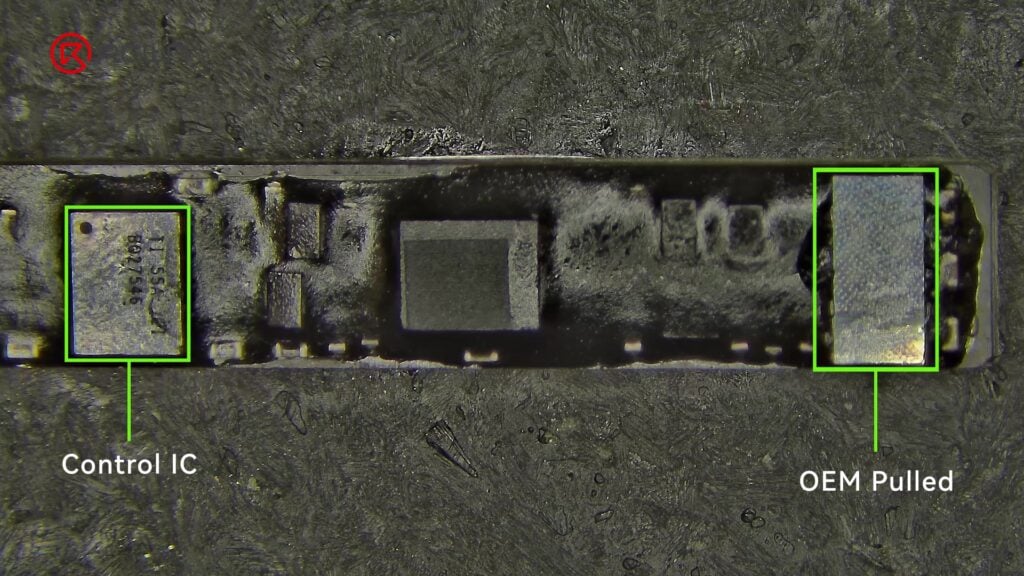
Nach dem Punktschweißen dieser BMS-Platine auf eine neue Batteriezelle kann der Akku den Reparaturassistenten erfolgreich durchlaufen, während er weiterhin wie eine normale Ersatzbatterie funktioniert.
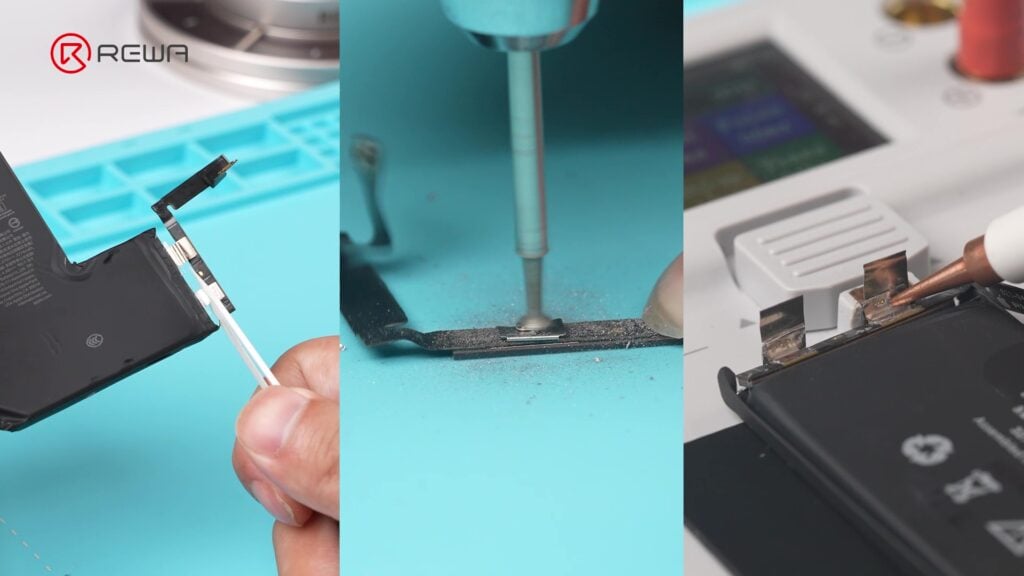
Schneller Tipp:
Kraftstoffmessung bezieht sich auf das System, das den auf Ihrem iPhone angezeigten Prozentsatz des Akkus berechnet.
Vorteile von diagnostikfreundlichen Teilen
Diagnosekompatible Teile sind populär geworden, da sie mehrere langjährige Reparaturprobleme lösen. Hier ist der Grund, warum viele Werkstätten aufmerksam werden.
1. Geringeres Risiko bei der Installation
Traditionelle Lösungen erfordern oft die Transplantation von Display-ICs, die Transplantation von Batterie-BMS und eine präzise Mikrolötung.
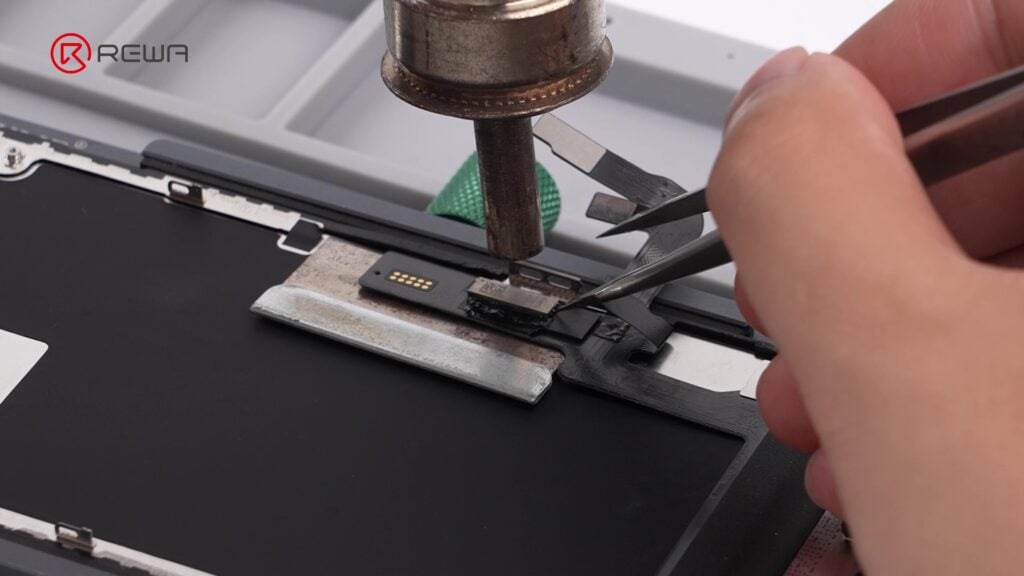
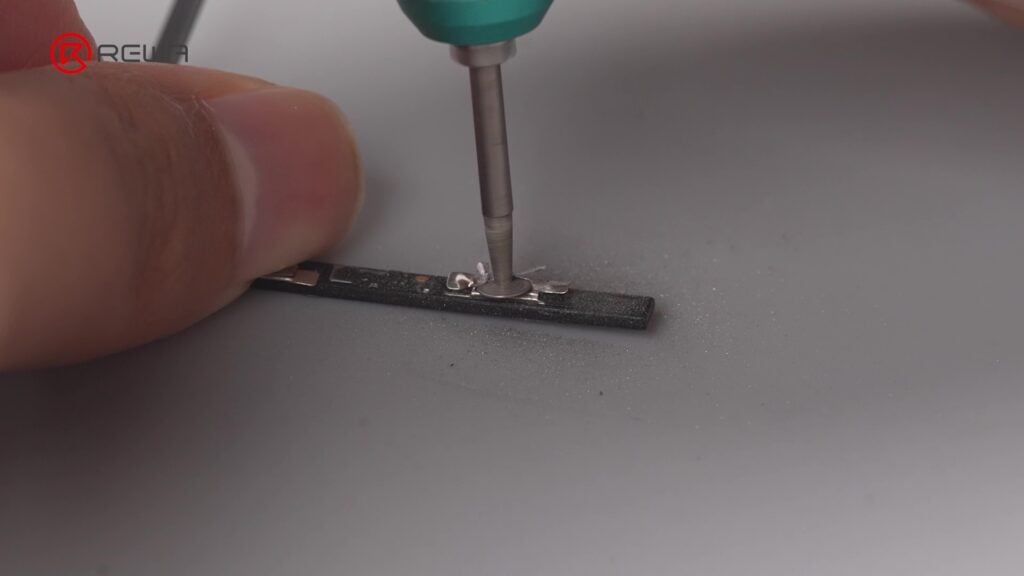
Diese Verfahren erfordern teure Ausrüstung und hochgradig erfahrene Techniker. Diagnosekompatible Teile reduzieren die Wahrscheinlichkeit von technikerspezifischen Ausfällen erheblich.
2. Schnellere Reparaturabwicklung
Ohne Chip-Tausch gehen Reparaturen wesentlich schneller. Für Unternehmen bedeutet eine schnellere Abwicklung oft eine höhere Rentabilität.
Reparaturwerkstätten können:
- Führe täglich mehr Reparaturen durch
- Arbeitsbelastung von Technikern verringern
- Kundenwartezeit reduzieren
3. Geringere Kosten als OEM-Teile
Original-Ersatzteile von Apple bleiben teuer. Diagnostikkompatible Teile bieten viele der gleichen benutzerorientierten Vorteile, kosten aber deutlich weniger, was sie attraktiv macht für:
- Kettenreparaturwerkstätten
- Distributoren
- Aufbereiter
- Gebrauchtgerätehändler
Verborgene Risiken, die Sie kennen sollten
Obwohl diagnosefähige Teile beeindruckenden Komfort bieten, sind sie keine perfekte Lösung. Wie jede aufkommende Reparaturtechnologie gibt es mehrere Einschränkungen, die eine Überlegung wert sind.
1. Zukünftige iOS-Updates könnten Kompatibilitätsprobleme verursachen
Die diagnostikkompatiblen Teile garantieren nur die aktuelle iOS-Kompatibilität. Dies bleibt eine der größten Unsicherheiten.
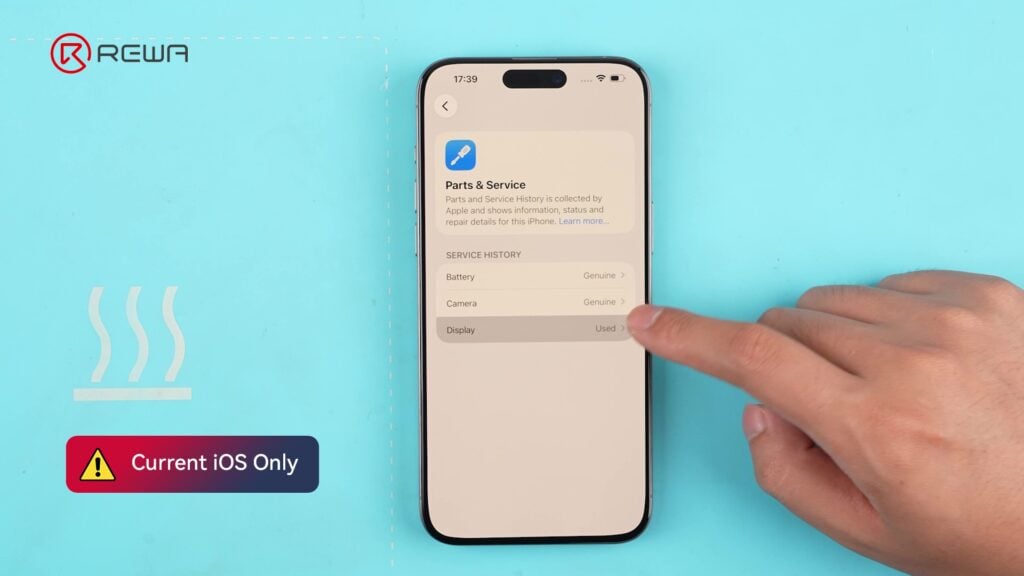
Wenn Apple seinen Verifizierungsalgorithmus in zukünftigen iOS-Versionen ändert, könnten derzeit kompatible Teile:
- Fehlerassistent für Apple-Reparaturen
- Unbekannte Teile Warnungen anzeigen
- Diagnosekompatibilität verlieren
2. Spender-IC-Chips sind weiterhin gebrauchte Komponenten
Die Authentifizierungs-ICs werden aus Spendergeräten gewonnen. Obwohl echt, sind sie nicht brandneu.
Ältere Chips können schließlich Alterung, Instabilität und zufällige Diagnosefehler aufweisen. Ihre Langzeitzuverlässigkeit hängt stark von der Qualität der geernteten Komponenten ab.
3. Langzeit-Zuverlässigkeit wird noch erprobt
Die Herstellungsqualität verbessert sich weiter, aber die langfristige Leistung im Feldeinsatz erfordert noch mehr Validierung. Da diagnostikfähige Lösungen noch zu neu sind.
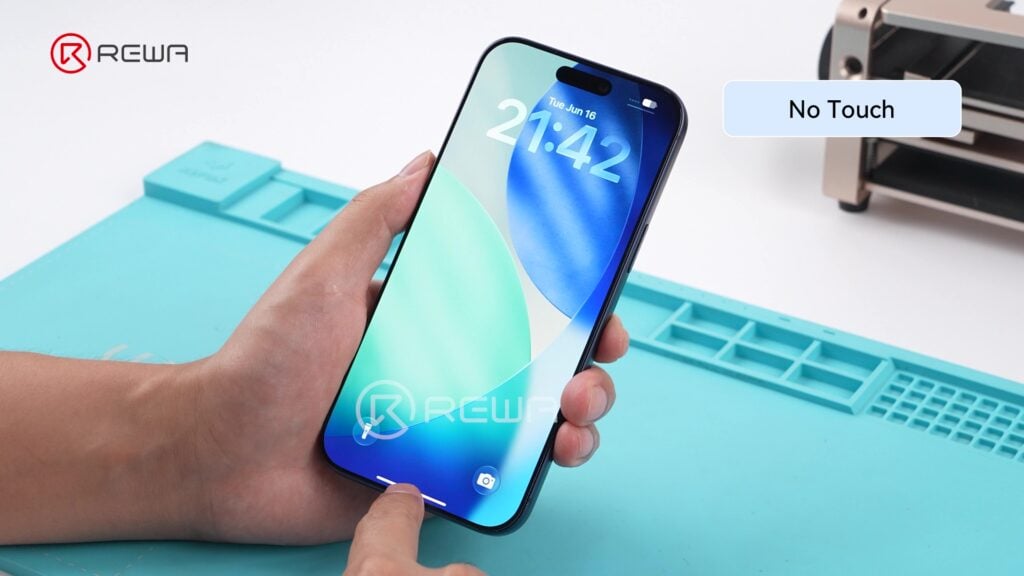
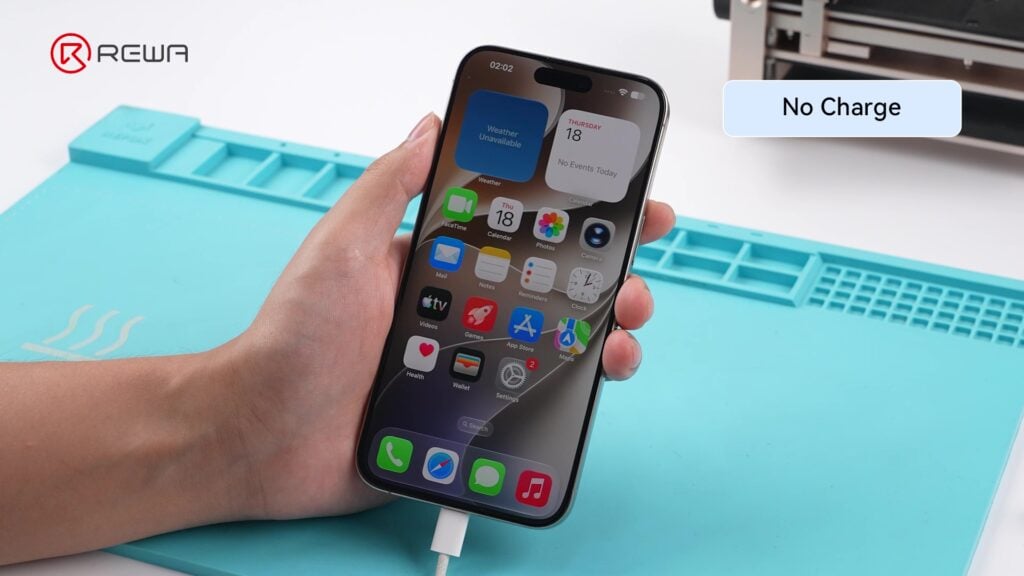
Branchenprüfungen und frühe RMA-Daten deuten darauf hin, dass einige Produktionschargen sporadische Störungen, intermittierende Ausfälle und inkonsistente Stabilität aufwiesen.
Häufig gestellte Fragen
1. Können diagnosefähige Teile die Meldung „Unbekanntes Teil“ auf dem iPhone dauerhaft entfernen?
Nicht unbedingt. Sie sind darauf ausgelegt, die aktuelle Version von Apples Reparaturassistent zu bestehen, aber zukünftige iOS-Updates könnten Apples Verifizierungsmechanismen ändern und die Kompatibilität beeinträchtigen.
2. Sind Diagnosefähige Bildschirme echte Apple-Displays?
Nein. Das Display-Panel selbst ist ein Nachrüstteil. Typischerweise verfügt es jedoch über einen OEM-ausgelesenen Touch-IC, der den Authentifizierungsprozess ermöglicht.
3. Verringern Diagnose-kompatible Teile das Risiko von Mikrolötarbeiten?
Ja. Einer der größten Vorteile von Diagnose-kompatiblen Teilen ist, dass sie die Notwendigkeit einer komplexen IC- oder BMS-Transplantation während der Installation beheben.
4. Was ist das Front-Sensor-Flexkabel? Warum ist es bei iPhone 15 und neueren Modellen wichtig?
Das Frontsensor-Flexkabel ist das Kabel, das Komponenten wie den Umgebungslichtsensor und den Näherungssensor in der Nähe der Frontkamera-Baugruppe verbindet. Apple hat für das iPhone 15 und neuere Modelle strengere Kopplungsanforderungen eingeführt. Das Frontsensor-Flexkabel muss entweder das Originalkabel sein, das mit dem Motherboard gekoppelt ist, oder es muss korrekt mit der Touch-IC des Ersatzdisplays übereinstimmen, um die Kalibrierung erfolgreich abzuschließen.
5. Sind diagnosefähige Batterien so zuverlässig wie OEM-Batterien?
Die Zuverlässigkeit hängt von der Fertigungsqualität, dem Zustand des wiederverwendeten Authentifizierungs-IC und der Qualitätskontrolle des Lieferanten ab. Da die Technologie noch relativ neu ist, werden Langzeitperformance-Daten noch entwickelt.
6. Wer sollte die Verwendung von diagnostiktauglichen Teilen in Betracht ziehen?
Sie eignen sich gut für unabhängige Werkstätten, Aufarbeitungsunternehmen, Händler und Techniker, die schnellere Reparaturen, niedrigere Arbeitskosten und eine erschwinglichere Alternative zu OEM-Teilen suchen.
Schlussfolgerung:
Diagnosefähige Bildschirme und Akkus stellen eine der größten Entwicklungen auf dem unabhängigen Ersatzteilmarkt für iPhones in den letzten Jahren dar.
Durch die Integration von OEM-entnommenen Authentifizierungschips in Nachrüstkomponenten können sie den Apple Repair Assistant abschließen, ohne die komplexe Mikrolötung, die herkömmlicherweise für die Transplantation von IC-Chips erforderlich ist.
Da sich der Ersatzteilmarkt weiterentwickelt, werden Diagnose-fähige Teile wahrscheinlich eine immer wichtigere Rolle spielen – die Wahl von Produkten vertrauenswürdiger Lieferanten mit bewährter Qualitätskontrolle bleibt jedoch unerlässlich. REWA Technology ist ein weltweit tätiger Anbieter von Lösungen für die Elektronikreparatur und implementiert ein strenges Qualitätskontrollprozess vor dem Versand jeder Produktcharge. Wenn Sie Fragen haben, wenden Sie sich bitte jederzeit an uns Kontaktieren Sie uns.


 English
  Español
  Français
  Deutsch
  Italiano