

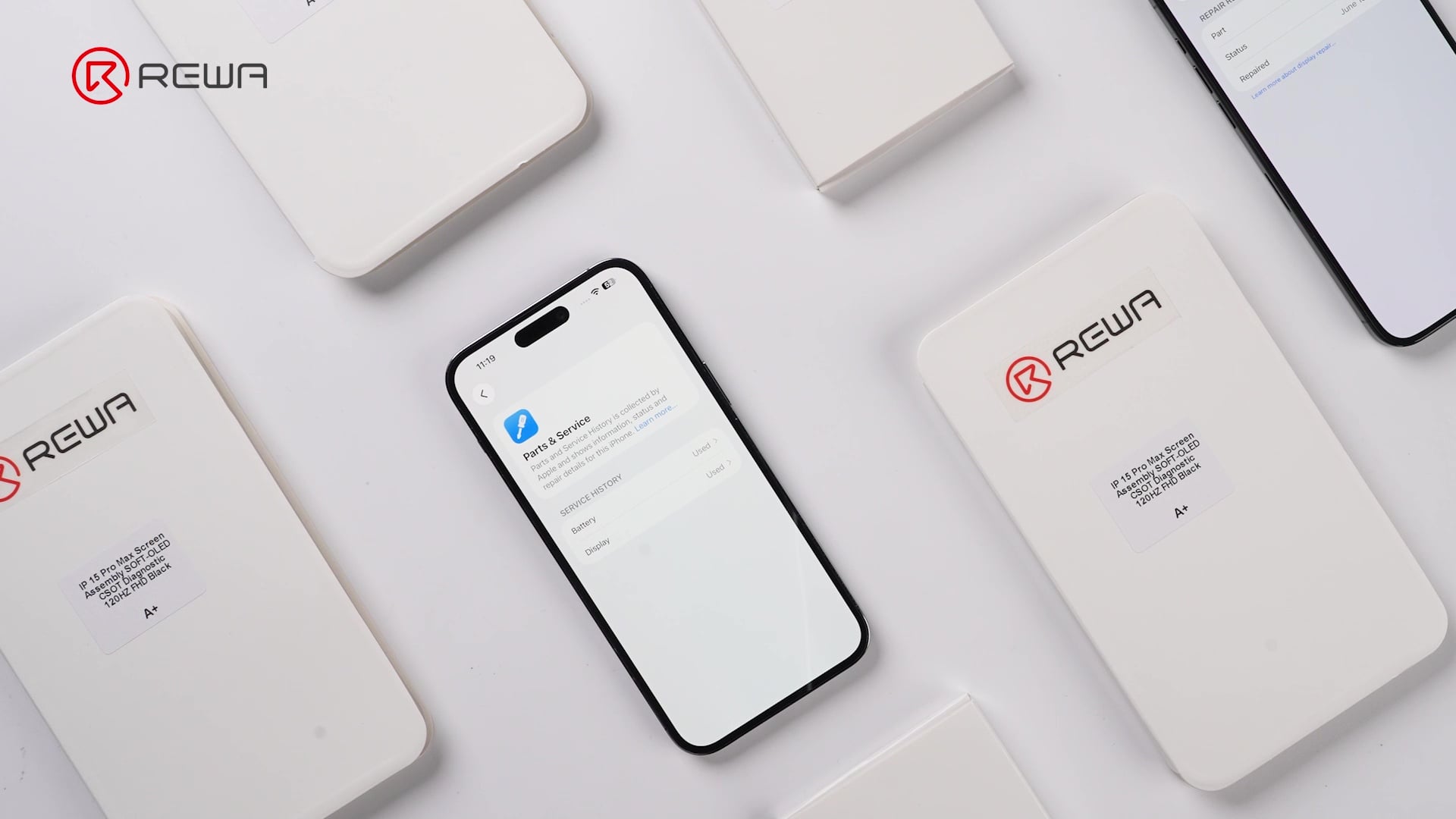
Con el lanzamiento del iPhone 17 Pro y de iOS 26, Apple ha seguido perfeccionando el ecosistema de reparación que introdujo con el iPhone 16. Los sistemas actualizados Parts & Service y Repair Assistant ofrecen ahora una autorización de componentes más sólida, un seguimiento más claro del historial de reparaciones y una mayor compatibilidad entre modelos. En este exhaustivo análisis, REWA Lab realiza una serie de pruebas de intercambio de piezas entre un iPhone 17 Pro y un iPhone 16 Pro para evaluar las implicaciones de estos cambios en el mundo real.
Los resultados revelan un importante salto adelante en la flexibilidad de la reparación. Entre las principales conclusiones se incluyen el restablecimiento completo de la funcionalidad de Face ID, el emparejamiento satisfactorio de cámaras de varios modelos y un reconocimiento de carcasas más fiable. Este informe ofrece un desglose detallado de cada prueba y sus resultados.
Análisis de intercambio de componentes
La siguiente tabla resume los resultados de intercambiar varios componentes entre el iPhone 17 Pro y el iPhone 16 Pro.
| Componente | Resultado | Notas |
|---|---|---|
| Cristal trasero | Emparejados con éxito | Etiquetado como el recinto. |
| Cámara trasera | Emparejados con éxito | Necesita calibración |
| Montaje del Face ID | Funcionalidad completa restaurada | Igual que 16 Pro |
| Batería | Emparejados con éxito | Mostrar el estado de la batería |
| Mostrar | Emparejados con éxito | Necesito sensor delantero original |
| Placa base | Funcionalidad completa | Sin grandes cambios |
Principales conclusiones e implicaciones
Integridad del cristal trasero y la carcasa
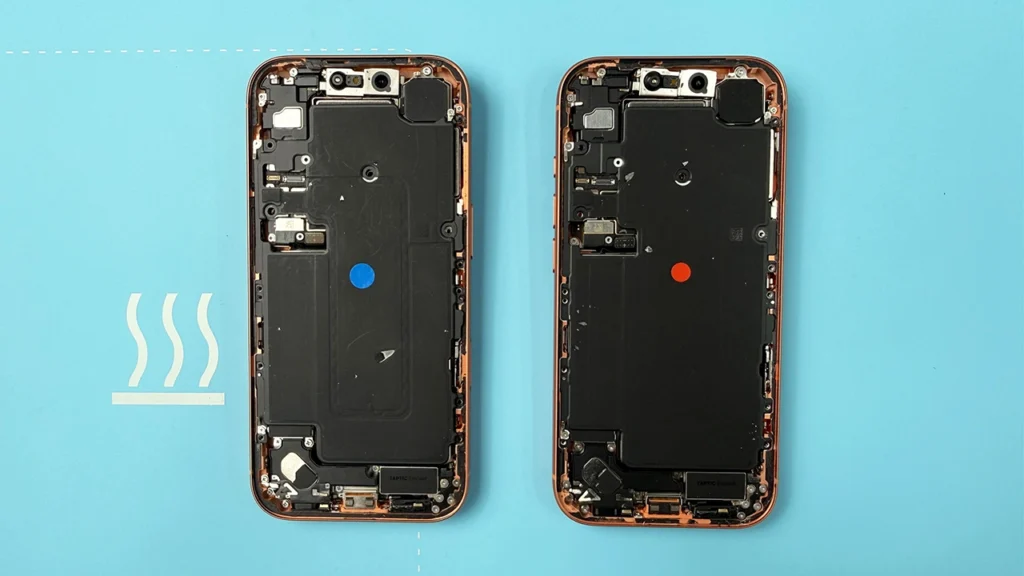
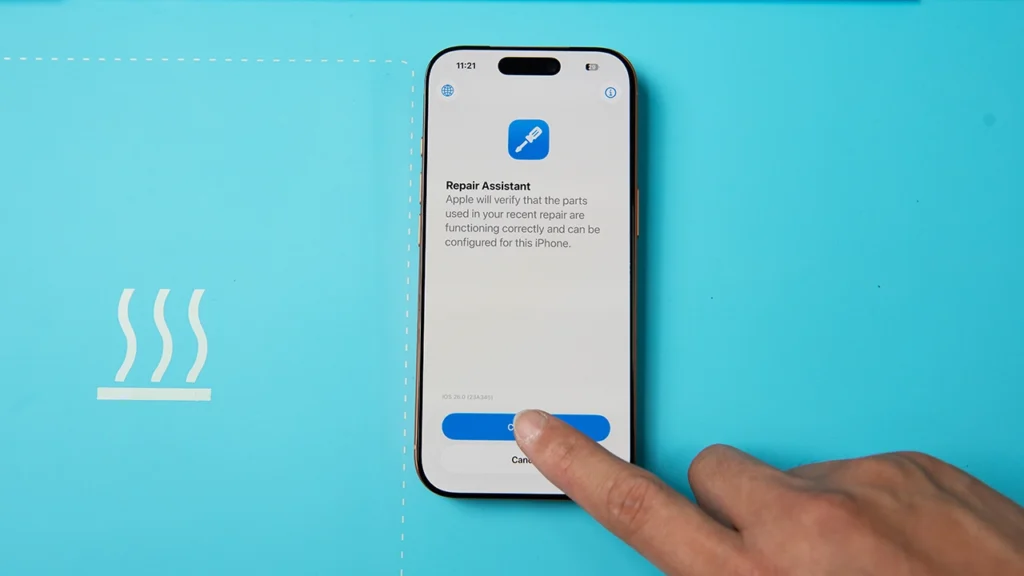
Al cambiar el cristal trasero del iPhone 17 Pro por el de un iPhone 16 Pro, apareció inmediatamente una alerta de “Nueva pieza detectada”. Tras procesar el cambio con Repair Assistant, la advertencia desapareció y el dispositivo emparejó correctamente el nuevo cristal trasero. Esto indica un proceso más ágil en comparación con los modelos anteriores.
Compatibilidad entre modelos de cámaras traseras
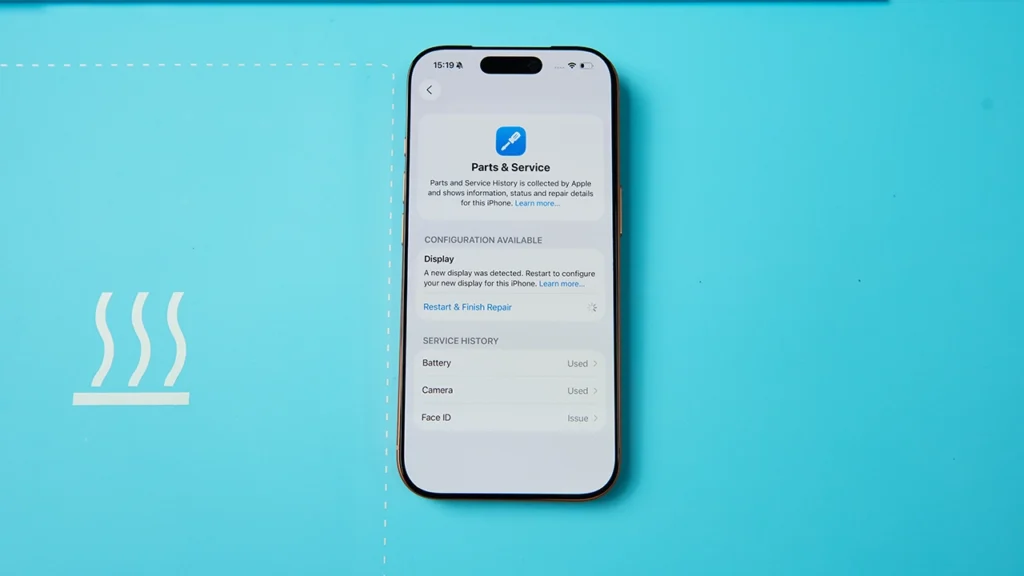
El cambio de cámara trasera también activó una alerta de Piezas y Servicio y requirió calibración. Cabe destacar que el iPhone 17 Pro aún podía capturar fotos y vídeos antes de la calibración, aunque las funciones avanzadas de IA como Smart HDR y True Tone estaban limitadas. Tras la calibración, la cámara se etiquetó como “pieza usada”, lo que subraya el compromiso de Apple con la transparencia en los registros de reparación.
Restauración del conjunto del Face ID
Uno de los aspectos más destacados de las pruebas fue el restablecimiento completo de la funcionalidad de Face ID tras intercambiar los ensamblajes entre el iPhone 17 Pro y el iPhone 16 Pro. Tras ejecutar Repair Assistant, Face ID se restauró sin restricciones, lo que confirma la compatibilidad entre modelos introducida con el iPhone 16. Aunque el componente se registró como “Usado”, esto demuestra un paso significativo hacia la fabricación de componentes de seguridad críticos más reparables.
Salud y verificación de la batería
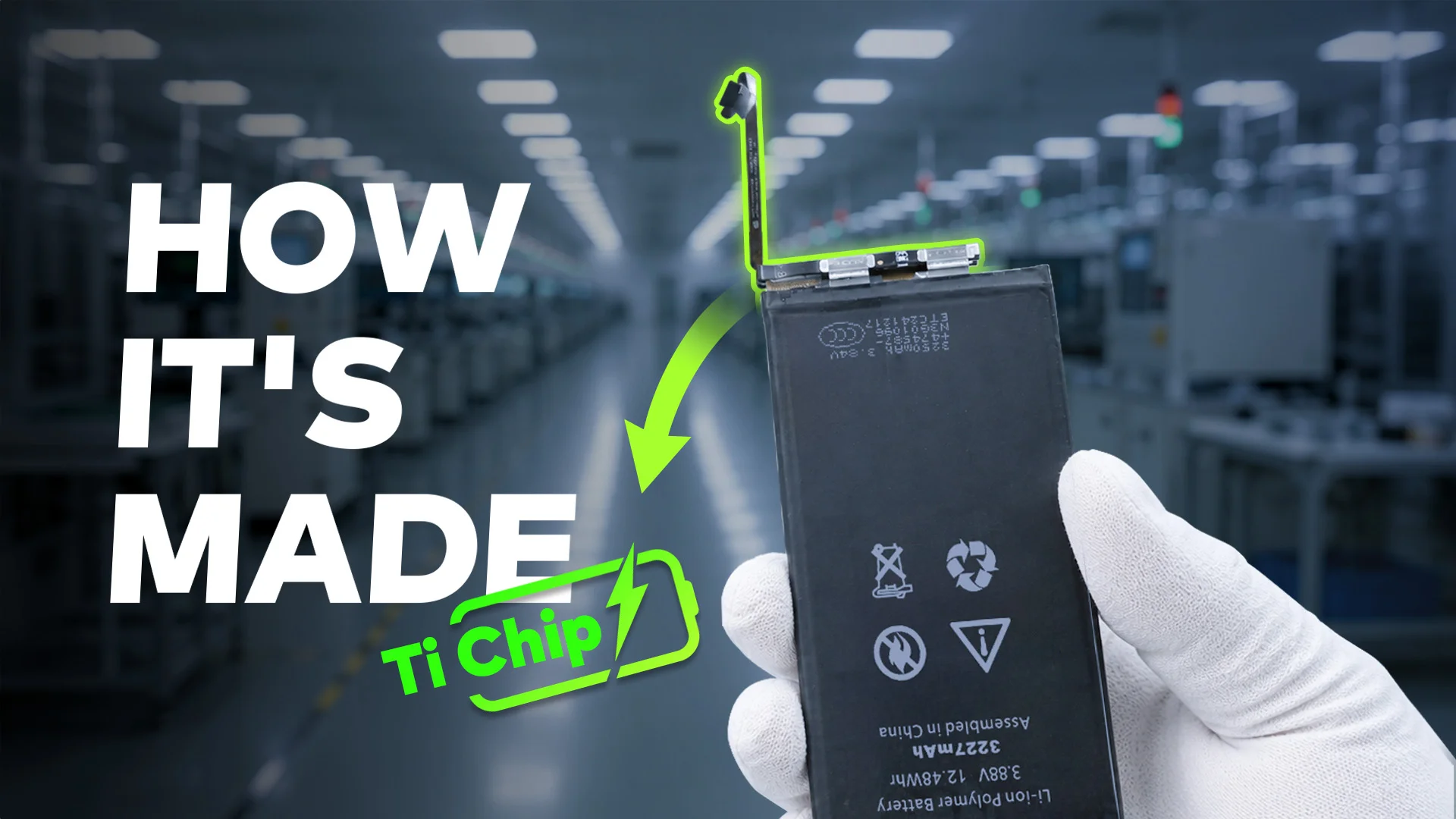
Cuando se cambió la batería del iPhone 17 Pro por la de un iPhone 16 Pro, el sistema la marcó inicialmente como “Pieza desconocida,” y los datos de salud de la batería dejaron de estar disponibles. Sin embargo, después de la configuración a través de Repair Assistant, la advertencia fue eliminada, y la información de salud fue restaurada. Este comportamiento se alinea con los esfuerzos en curso de Apple para prevenir el uso de baterías falsificadas y datos de salud manipulados.
Restauración de la pantalla y del tono real
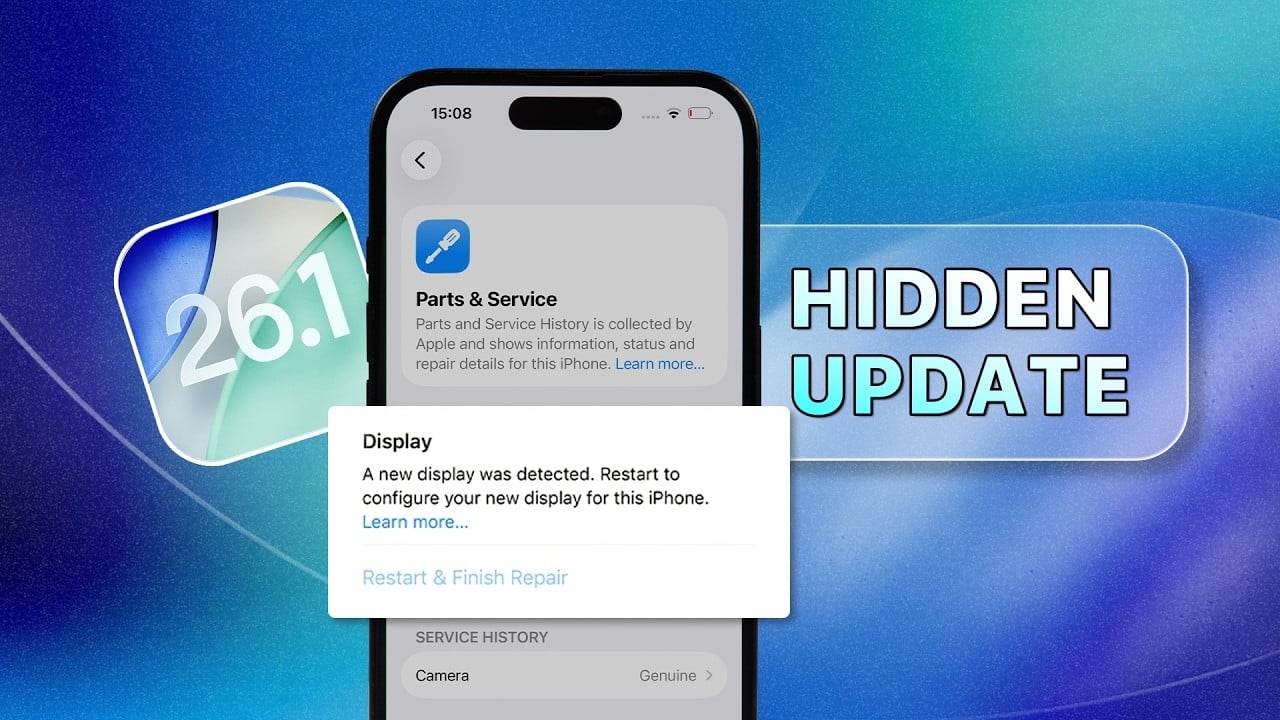
Al igual que en modelos anteriores, el intercambio de las pantallas provocó inicialmente la desaparición de True Tone. Sin embargo, después de emparejar la nueva pantalla a través del Asistente de Reparación, True Tone se restauró por completo. Esto confirma que el emparejamiento en serie de pantallas de Apple ahora admite la compatibilidad entre generaciones cuando el hardware lo permite.


Intercambio de placas base y conexión de carcasas
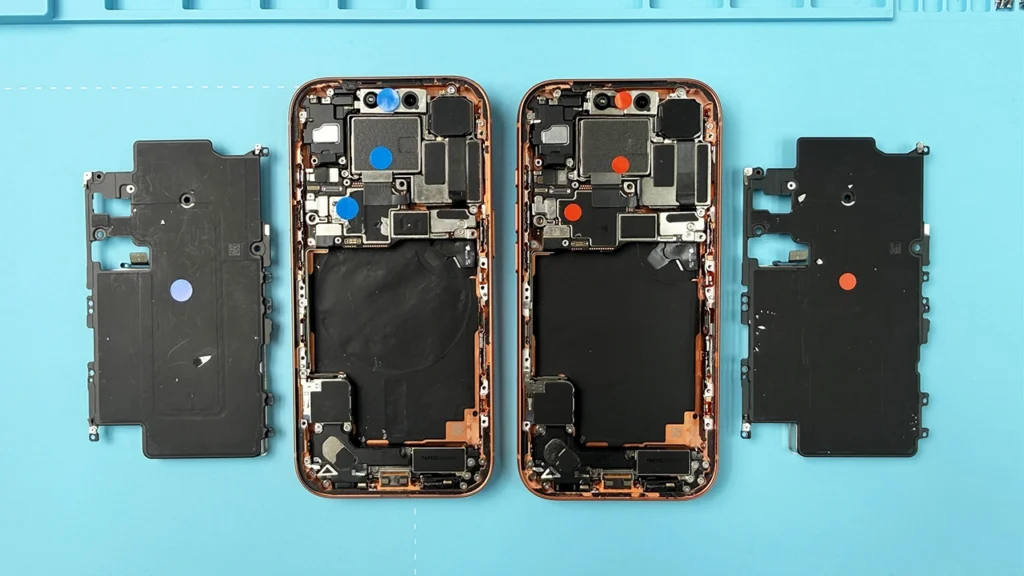
Para llevar al límite el nuevo sistema, también se intercambiaron las placas lógicas. Todos los componentes principales -cámaras, pantalla, batería y Face ID- funcionaron con normalidad. Sin embargo, el sistema marcó la carcasa como nueva y el Asistente de reparación solicitó la configuración, incluida la recalibración de la cámara trasera. Estos resultados sugieren que la carcasa está ahora vinculada digitalmente a la placa lógica como parte de las comprobaciones de integridad de Apple.
Historial de reparaciones persistentes
Incluso después de restaurar todas las piezas originales en sus respectivos dispositivos, el historial de reparaciones seguía mostrándose permanentemente en ambos. Se verificó que todas las piezas originales eran auténticas, pero los registros de los intercambios siguieron visibles. Esto indica que el historial de reparaciones está ahora vinculado a la propia carcasa, no solo a la placa base, lo que crea una pista de auditoría transparente y a largo plazo para cada dispositivo.
Conclusiones: Un futuro de reparaciones más flexible y transparente
El iPhone 17 Pro representa una continuación del cambio de Apple hacia una mejor reparabilidad y compatibilidad de piezas. Las principales conclusiones de nuestras pruebas son:
- Face ID puede restaurarse con éxito tras un intercambio entre modelos.
- Cámaras, pantallas y baterías par más suavemente que en generaciones anteriores.
- Asistente de reparaciones desempeña un papel fundamental en la calibración y verificación de nuevas piezas.
- Historial de componentes transparente está ahora permanentemente ligada a la caja del dispositivo.
REWA Lab continuará investigando cómo se comportan los componentes de terceros y de posventa en iOS 26, ya que estos conocimientos son vitales para los talleres independientes, los restauradores y los técnicos de todo el mundo.

 English
  Español
  Français
  Deutsch
  Italiano