

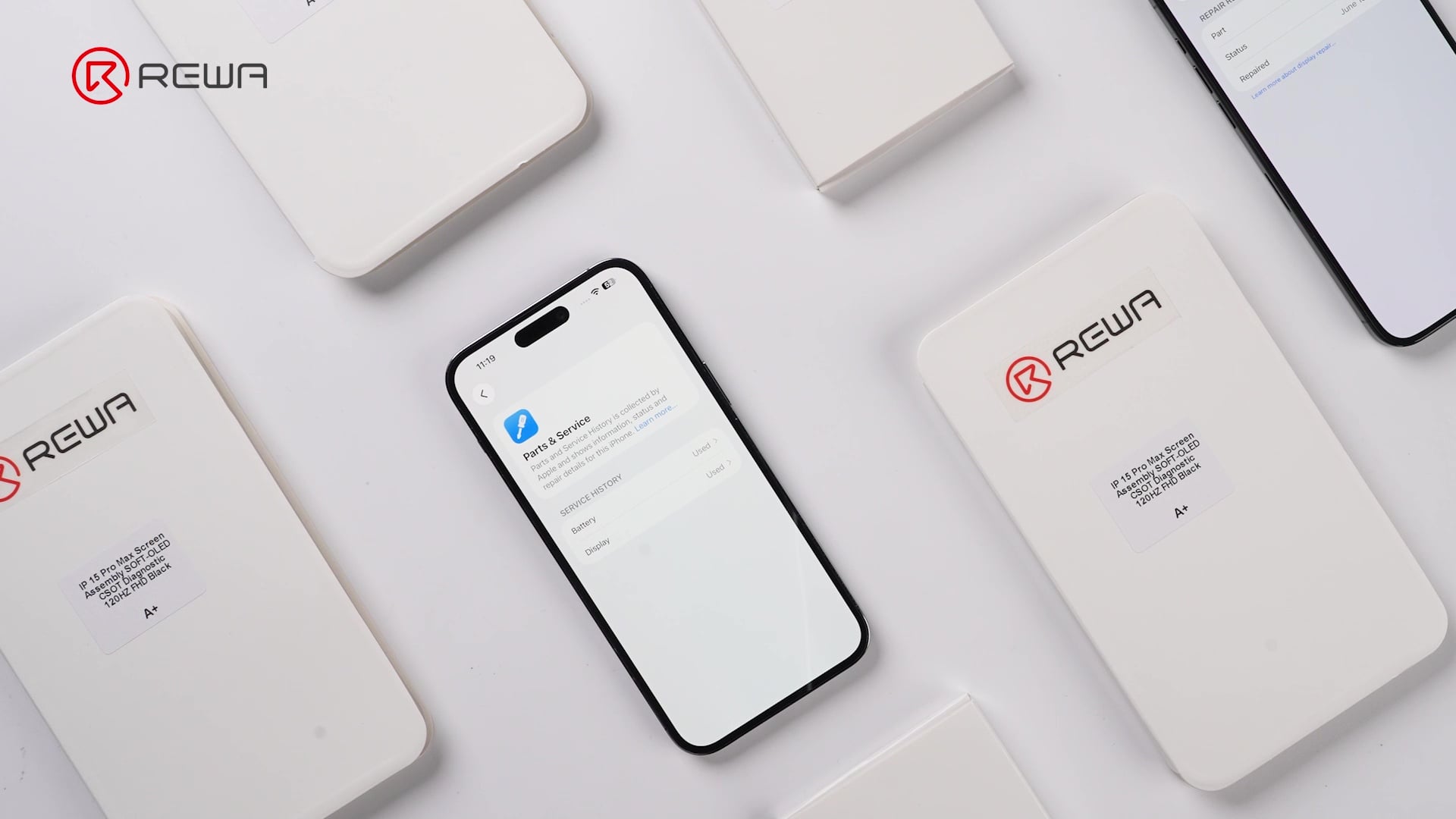
With the release of the iPhone 17 Pro and iOS 26, Apple has continued to refine the repair ecosystem it introduced with the iPhone 16. The upgraded Parts & Service and Repair Assistant systems now offer more robust component authorization, clearer repair history tracking, and expanded cross-model compatibility. In this comprehensive analysis, REWA Lab conducts a series of parts-swapping tests between an iPhone 17 Pro and an iPhone 16 Pro to assess the real-world implications of these changes.
The results reveal a significant leap forward in repair flexibility. Key findings include the full restoration of Face ID functionality, successful cross-model camera pairing, and more reliable enclosure recognition. This report provides a detailed breakdown of each test and its outcome.
Component Swap Analysis
The following table summarizes the results of swapping various components between the iPhone 17 Pro and iPhone 16 Pro.
| Component | Outcome | Notes |
|---|---|---|
| Back Glass | Successfully Paired | Tagged as the enclosure. |
| Rear Camera | Successfully Paired | Need calibration |
| Face ID Assembly | Full Functionality Restored | Same as 16 Pro |
| Battery | Successfully Paired | Show battery health |
| Display | Successfully Paired | Need original front sensor |
| Motherboard | Full Functionality | No big changes |
Key Findings and Implications
Back Glass and Enclosure Integrity
Swapping the back glass on the iPhone 17 Pro with one from an iPhone 16 Pro immediately triggered a “New Part Detected” alert. After processing the change through Repair Assistant, the warning disappeared, and the device successfully paired the new back glass. This indicates a more streamlined process compared to earlier models.
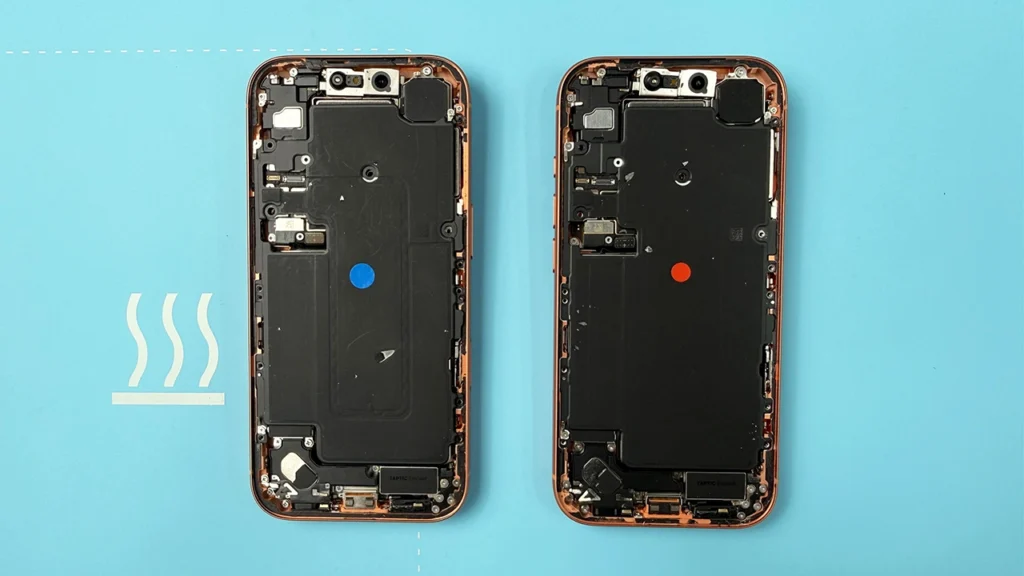
Rear Camera Cross-Model Compatibility
The rear camera swap also triggered a Parts & Service alert and required calibration. Notably, the iPhone 17 Pro could still capture photos and videos before calibration, although advanced AI features like Smart HDR and True Tone were limited. After calibration, the camera was labeled as a “Used Part,” underscoring Apple’s commitment to transparency in repair records.
Face ID Assembly Restoration
A major highlight of the tests was the full restoration of Face ID functionality after swapping the assemblies between the iPhone 17 Pro and iPhone 16 Pro. After running Repair Assistant, Face ID was restored without any restrictions, confirming the cross-model compatibility introduced with the iPhone 16. While the component was recorded as “Used,” this demonstrates a significant step toward making critical security components more serviceable.
Battery Health and Verification
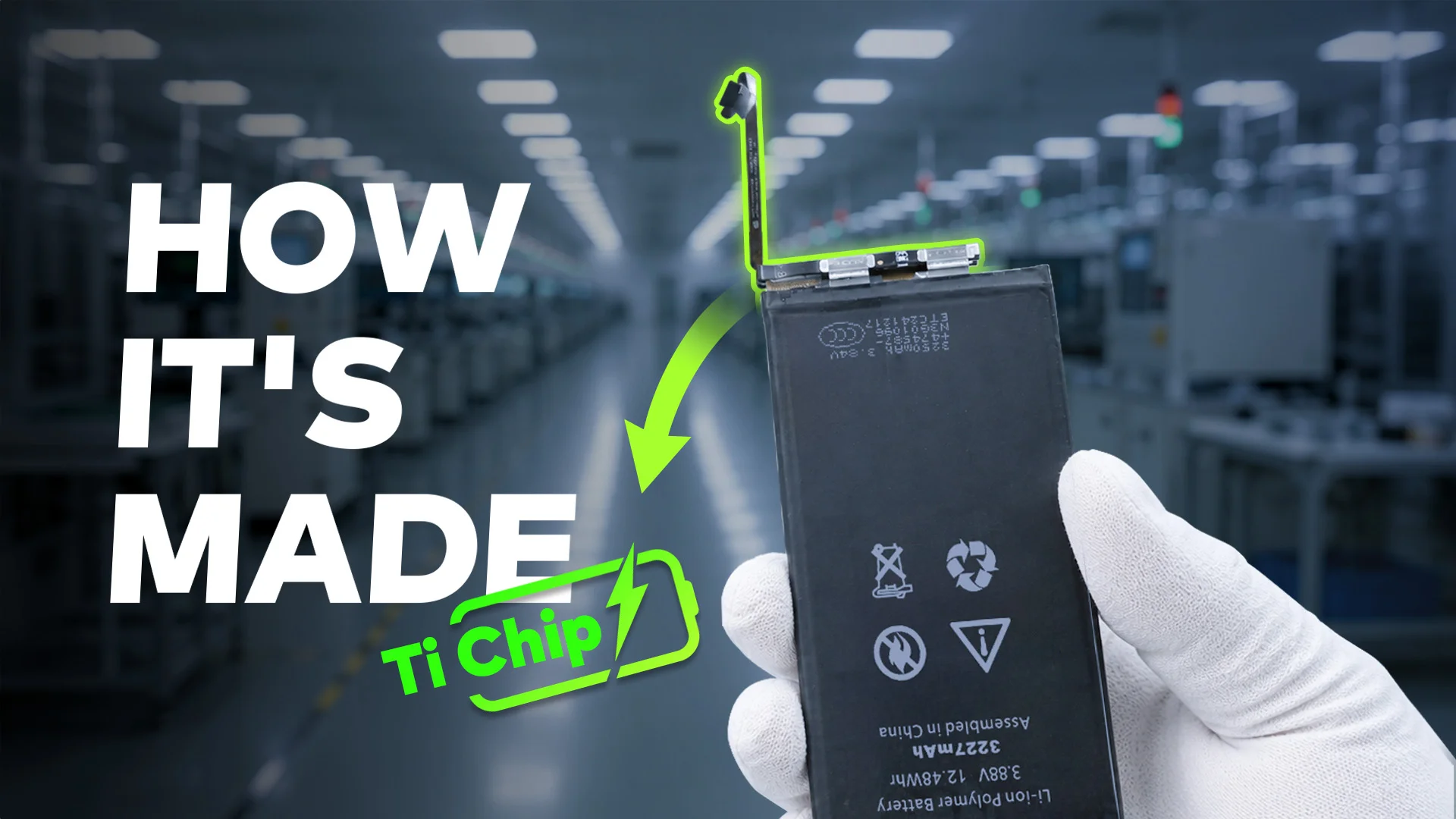
When the iPhone 17 Pro’s battery was swapped with one from an iPhone 16 Pro, the system initially flagged it as an “Unknown Part,” and battery health data became unavailable. However, after configuration via Repair Assistant, the warning was removed, and the health information was restored. This behavior aligns with Apple’s ongoing efforts to prevent the use of spoofed batteries and manipulated health data.
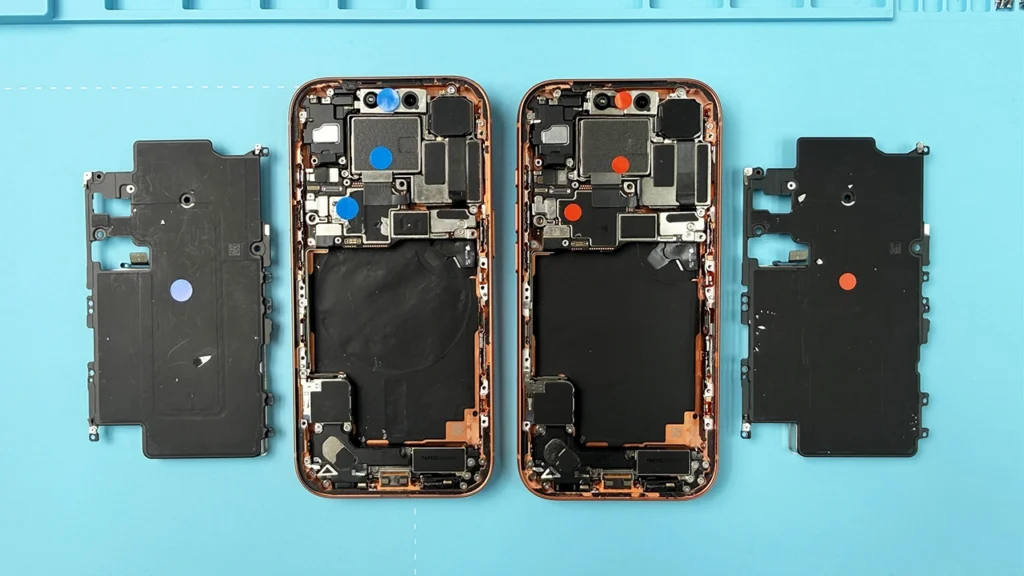
Display and True Tone Restoration
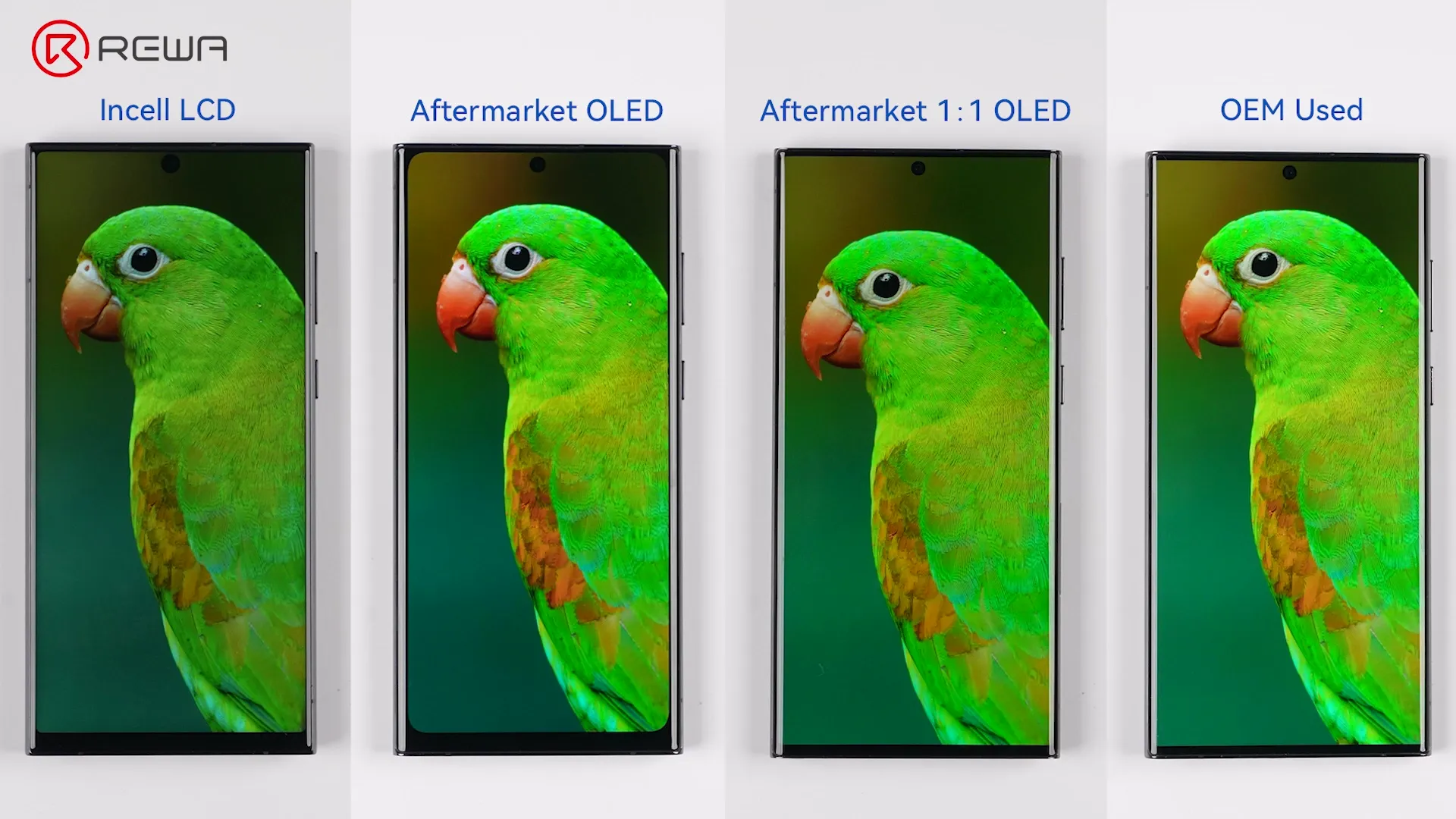
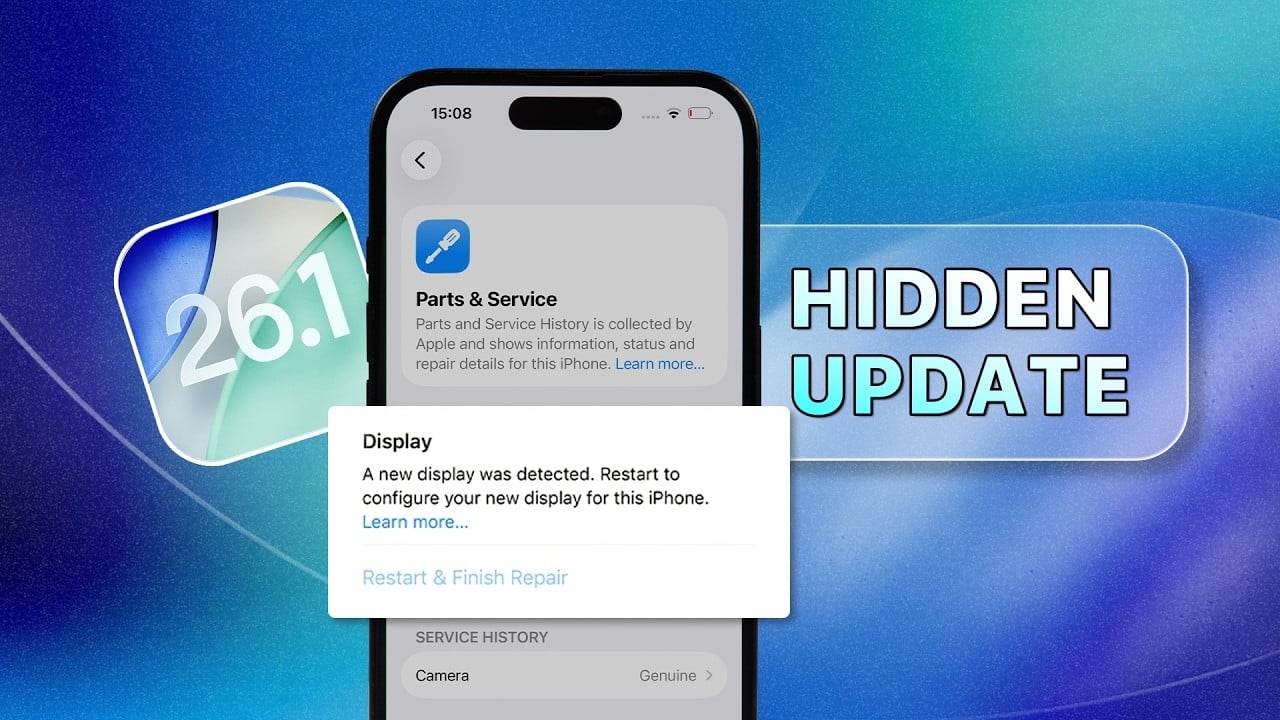
As with previous models, swapping the screens initially caused True Tone to disappear. However, after pairing the new display through Repair Assistant, True Tone was fully restored. This confirms that Apple’s display serial pairing now supports cross-generation compatibility where the hardware allows it.
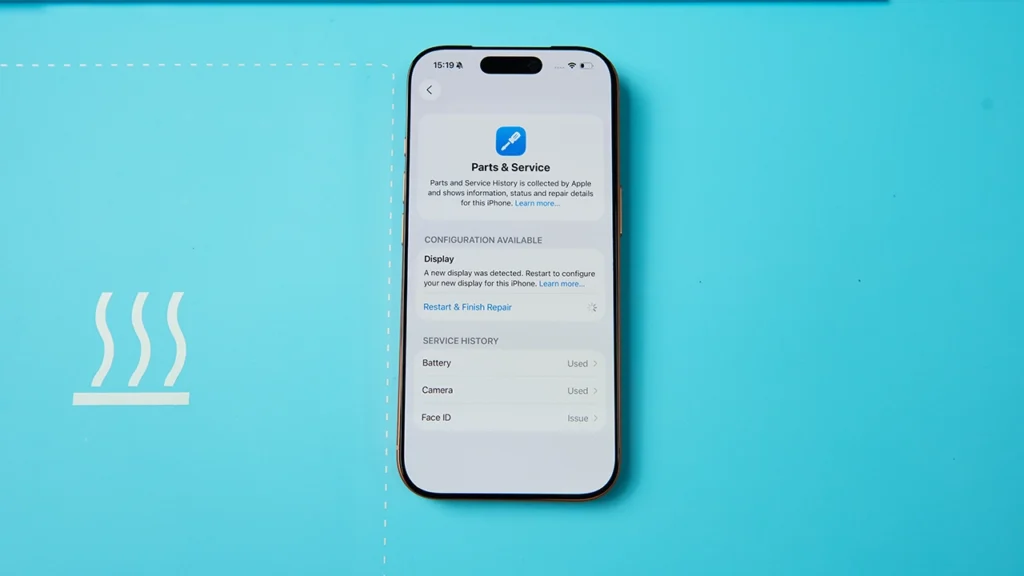


Motherboard Swaps and Enclosure Linking
To push the limits of the new system, the logic boards were also swapped. All core components—cameras, display, battery, and Face ID—functioned normally. However, the system flagged the enclosure as new, and Repair Assistant requested configuration, including a re-calibration of the rear camera. These results suggest that the enclosure is now digitally linked to the logic board as part of Apple’s integrity checks.
Persistent Repair History
Even after all original parts were restored to their respective devices, the repair history remained permanently displayed on both. All original parts were verified as genuine, but the records of the swaps remained visible. This indicates that the repair history is now tied to the enclosure itself, not just the motherboard, creating a long-term, transparent audit trail for each device.
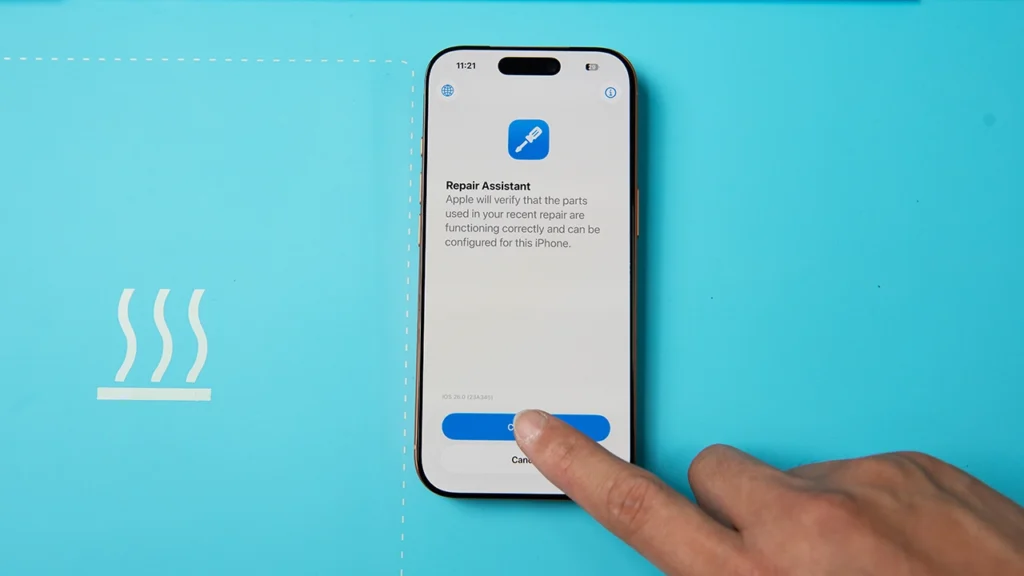
Conclusion: A More Flexible and Transparent Repair Future
The iPhone 17 Pro represents a continuation of Apple’s shift toward improved repairability and part compatibility. The key takeaways from our testing are:
- Face ID can be successfully restored after a cross-model swap.
- Cameras, displays, and batteries pair more smoothly than in previous generations.
- Repair Assistant plays a central role in the calibration and verification of new parts.
- Transparent component history is now permanently tied to the device’s enclosure.
REWA Lab will continue to investigate how third-party and aftermarket components behave under iOS 26, as these insights are vital for independent repair shops, refurbishers, and technicians worldwide.

 English
  Español
  Français
  Deutsch
  Italiano